Photobiomodulation: Red and Near-Infrared LED Therapy




Everything You Need to Know About Photobiomodulation (PBM)
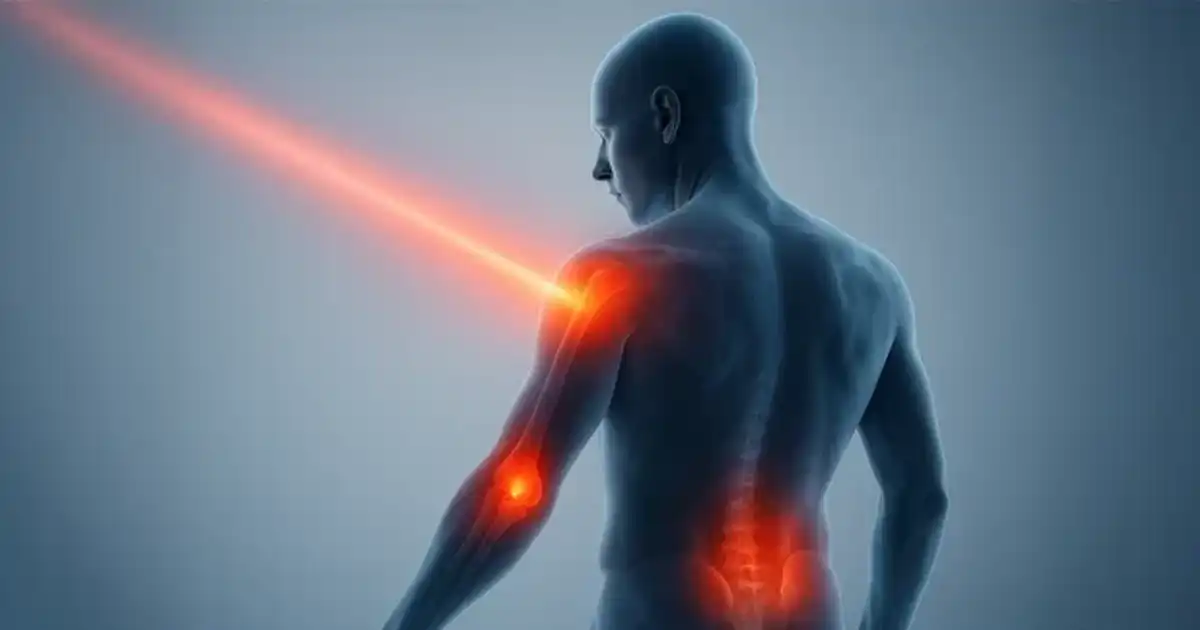
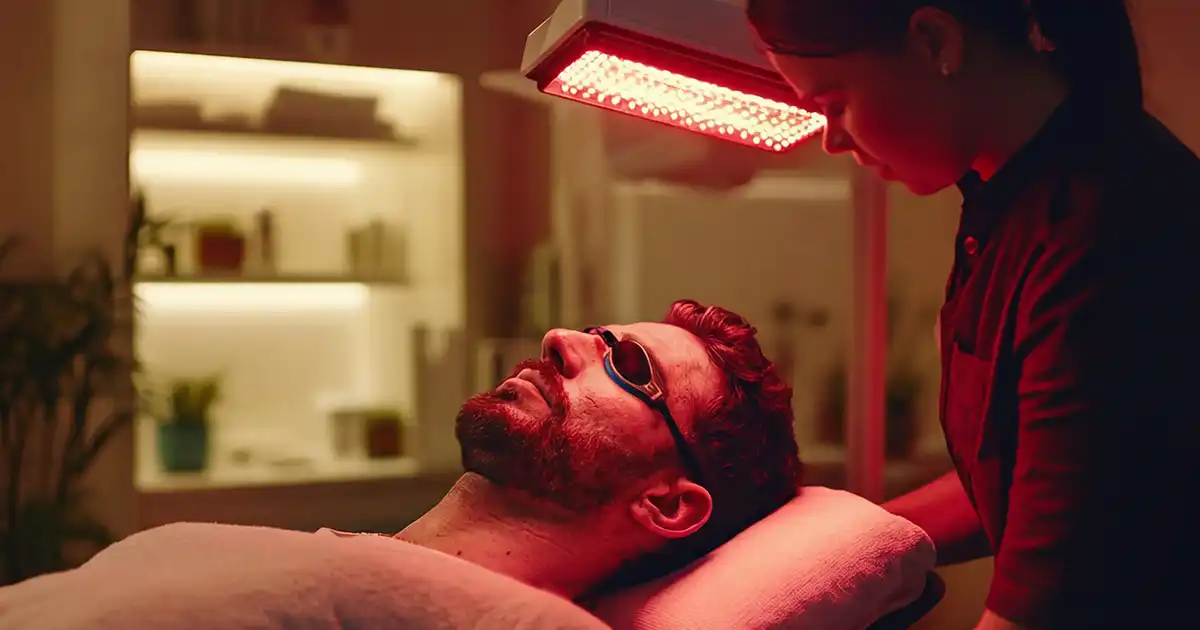
Photobiomodulation (PBM) is a form of light therapy. It primarily uses red and near-infrared light. These wavelengths are not UV. The goal is to support natural cellular processes.
This page provides an overview. For each topic, you’ll find a dedicated, more detailed guide.
To begin with
- Photobiomodulation: Definition and Applications
- Photobiomodulation and light therapy: what are the differences?
Table of Contents
- Definition and Key Points
- How PBM affects cells
- Red or near-infrared: which should you choose?
- Benefits and most common uses
- Sessions: Procedure, Duration, Frequency
- Safety: Precautions and Contraindications
- Choosing a photobiomodulation device
- FAQ
Definition and Key Points
PBM refers to the use of specific wavelengths. These wavelengths are selected to interact with certain cellular chromophores. The goal is not to generate heat; rather, it is to trigger a measurable biological response.
PBM is sometimes confused with light therapy. Light therapy primarily aims to regulate biological rhythms via the retina. PBM, on the other hand, targets the exposed tissues, penetrating to varying depths depending on the wavelength.
Read next
How PBM affects cells
The most widely cited model describes an effect on cellular metabolism. Light is absorbed by structures involved in energy production. This can modulate pathways related to repair, inflammation, and microcirculation.
Dosage matters. Too low a dose may not be enough. Too high a dose may reduce the expected effect. This is the concept behind the biphasic curve.
Learn more about the mechanism
Focus on Cellular Energy
Red or near-infrared: which should you choose?
Red light primarily affects more superficial areas. Near-infrared light generally penetrates deeper. In practice, many treatment protocols combine the two, depending on the objective.
Dedicated Guide
Benefits and most common uses
PBM is used in a variety of settings: skin care, pain management, recovery, and wellness. The expected effects depend on the protocol, the device, and the individual’s specific circumstances.
Skin: radiance, skin discomfort, signs of aging
In skincare, PBM is often used to support skin regeneration and improve skin appearance. Common uses include addressing skin discomfort, redness, and anti-aging routines.
Skin Care Guides
Pain and inflammation
In addition, PBM is used to relieve muscle and joint discomfort. It is also being studied for its role in certain mechanisms involved in inflammation.
Pain Guides
- Photobiomodulation for Pain Management: Guidelines and Protocols
- Photobiomodulation and Inflammation: Key Points
Sports: Recovery and Performance
In sports, PBM is primarily used to optimize recovery. Some teams incorporate it into their training routines, either before or after exercise.
Sports Guide
Sessions: Procedure, Duration, Frequency
A PBM session is usually straightforward. You position yourself at the recommended distance. You expose the area for the specified amount of time. The sensation is often gentle.
To make progress safely, start with short sessions. Pay attention to how your body responds. Then adjust the frequency, rather than suddenly increasing the length of your sessions.
Practical Protocols
Recommended pace
Safety: Precautions and Contraindications
PBM is generally well tolerated. However, precautions are still important. Protect your eyes if necessary. Avoid excessive exposure. And consult a doctor if you have any concerns.
Safety also depends on how the medication is used. Self-medication without proper guidance can lead to errors in dosage or targeting.
Read before you begin
For further reading
Choosing a photobiomodulation device
The right device depends on your goal, the area to be treated, and the intended use. Also consider the wavelengths, power, optical quality, and certifications.
The format matters. A face mask is designed for the face. A full-body panel or booth covers large areas. Lasers are primarily for professional use. Your choice should be based on your needs.
Device Guides
Compare formats
FAQ
Are photobiomodulation and light therapy the same thing?
No. Light therapy uses white light to influence the circadian rhythm. PBM uses targeted wavelengths to affect the exposed tissue.
Should I choose red, near-infrared, or both?
It all depends on your goal. Red light is often associated with more superficial applications. Near-infrared light is often associated with deeper tissues.
How long does it take to see results?
It varies greatly. The main factors are consistency, proper dosage, and the indication.
Can you do PBM at home?
Yes, if you have reliable reference points and the right equipment. Start slowly and avoid winging it.
Are there any contraindications?
Yes, there are situations in which medical advice is recommended. The safety guidelines detail the most common cases.
How can you choose the right appliance?
Start by considering your actual needs. Then compare formats and technical specifications. A dedicated guide will help you narrow down the essentials.
Explore the entire resource center

Make an appointment