Integrating Photobiomodulation into Clinical Practice: Applications, Legal Framework, and Best Practices
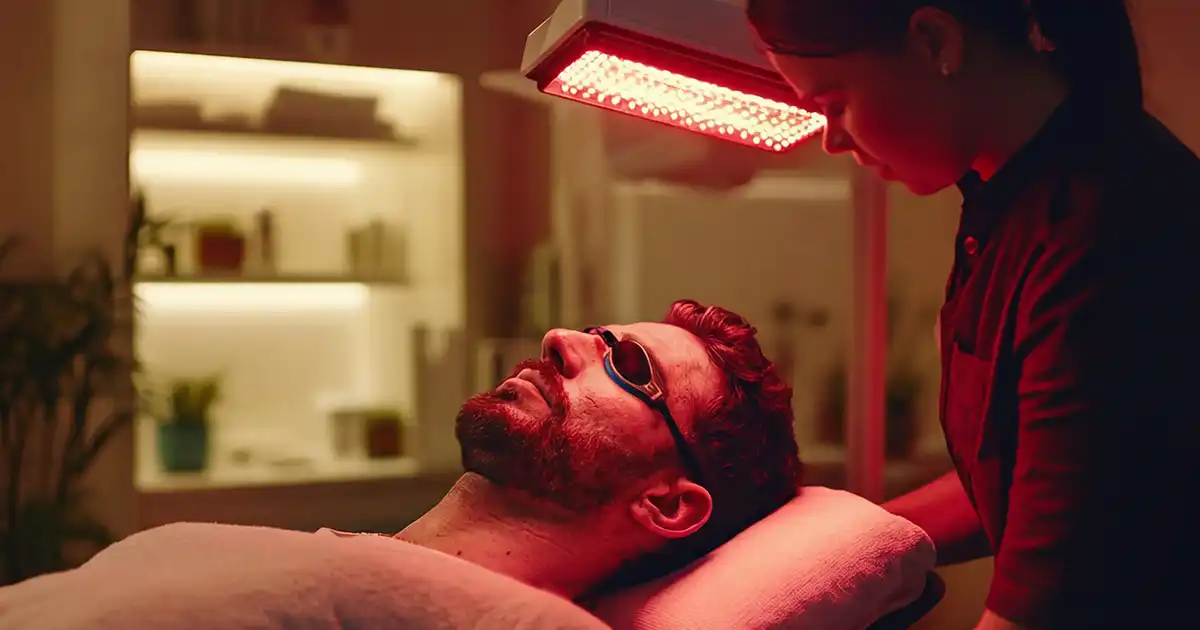
Photobiomodulation (PBM) is a technique that is increasingly used in medical, paramedical, and wellness settings. Thanks to its ability to relieve pain, stimulate regeneration, and improve sleep, it effectively complements many professional treatments. However, it is essential to comply with legal requirements and protocols and to select devices that are suitable for clinical practice.
Why offer photobiomodulation in a clinic?
PBM is:
- Non-invasive
- Painless
- Without medication
- Compatible with a wide range of medical specialties: general practice, physical therapy, rheumatology, podiatry, dermatology, gynecology, post-surgical care, and more…
👉 See also: Photobiomodulation for Professionals
What are some practical applications in a medical practice?
Most common indications
- Chronic pain (low back pain, osteoarthritis, tendinopathy)
- Wound healing (postoperative, burns, pressure ulcers)
- Inflammatory conditions (bursitis, sinusitis, colitis)
- ENT conditions (ear infections, chronic rhinitis)
- Fatigue, sleep problems, weakened immune system
💡 In gynecology: PBM can be administered using specialized probes for vaginal atrophy, postmenopausal pain, or episiotomy.
Recommended devices for professional use
- Body Boost Bed Cabin – PBM CE-certified medical full-body cabin, heavy-duty use
- Vielight Neuro Duo 4 – Transcranial Use for Cognitive Disorders
- MiltaPad and MiltaGynéco – medical devices with articulated arms
The regulatory framework for medical practices
As a healthcare professional (doctor, physical therapist, nurse, etc.)
You are subject to:
- Article R.4127-13 of the Public Health Code: Only physicians are authorized to diagnose or treat a medical condition.
- The prohibition on commercial practices and therapeutic advertising (Articles R.4127-19 and R.4321-67 of the Public Health Code).
📌 The use of photobiomodulation in medical or paramedical practices must be based on available scientific evidence and performed using a medical LED device that is CE-certified in accordance with Regulation (EU) 2017/745.
👉 Learn more: Photobiomodulation: Legal Framework and Professional Use
If you are an organization (center, clinic, etc.)
- Notification to health authorities (e.g., ARS) if you provide medical care.
- Public displays must remain informative and must not promise a cure.
Incorporating PBM into the care pathway
Photobiomodulation can be:
- Used before or after a medical procedure (rehabilitation, injection, surgery)
- Included in a comprehensive care package (physical therapy, sports medicine, post-cancer care)
- Recognized as a non-pharmacological complementary therapy
💡 Bonus: PBM helps build patient loyalty and positions the practice as an innovator.
Frequently Asked Questions
Can PBM be practiced without authorization?
Yes, if you are a healthcare professional and use a medical device as part of your regulated practice. In wellness centers, use is permitted without a medical indication.
Is PBM covered by insurance?
Not directly, but it can be included in services covered by insurance (physical therapy, nursing care). It may also be covered under private or cosmetic insurance plans.
Is specific training required?
It is recommended. An understanding of cellular mechanisms and safety precautions is essential for effective and safe use.
Legal and Regulatory Sources
- Article R.4127-13 of the Public Safety Code – Medical Procedures: Légifrance
- Regulation (EU) 2017/745 on medical devices – europa.eu
- CNOM – Opinion on the Use of Alternative Medical Techniques – French Medical Association, 2020
See also
Our guides


