Photobiomodulation: Risks Associated with Self-Use and Best Practices at Home
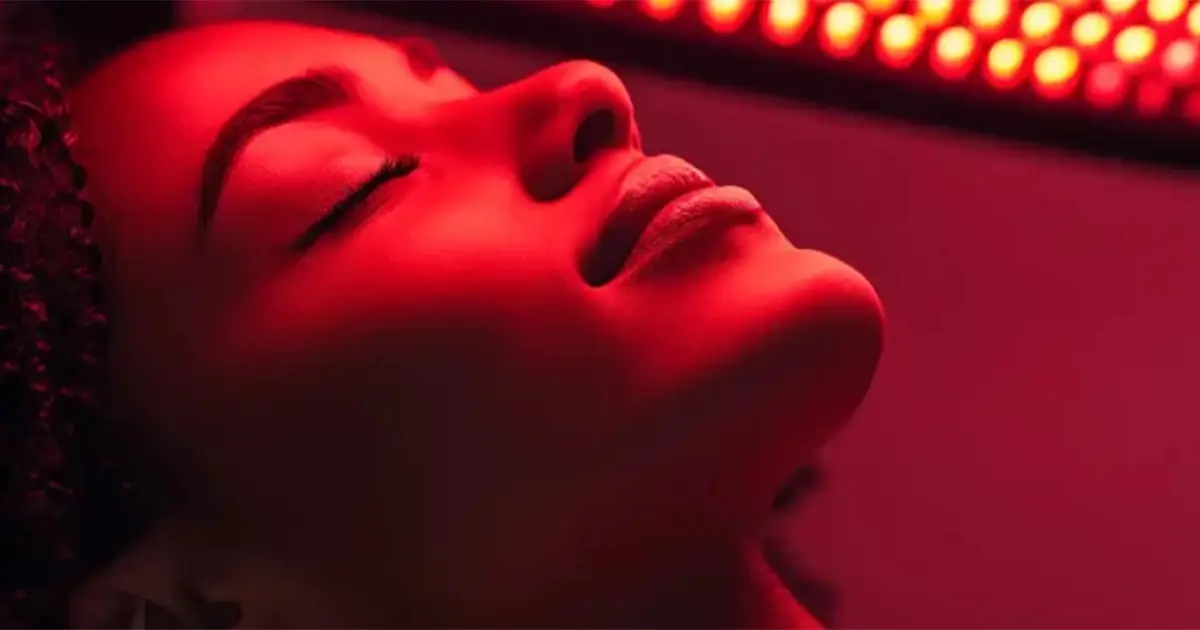
Photobiomodulation is increasingly being used at home thanks to portable or semi-professional LED devices. While this convenience is a real advantage, it also requires caution. Improper use can limit the benefits—or even produce the opposite of the desired effect.
Why regulate the self-administration of PBM?
In clinical settings, professionals tailor treatment protocols to each individual situation. At home, however, it is up to the user to make these adjustments. Yet PBM affects sensitive cellular mechanisms such as mitochondria, ATP production, and inflammation.
👉 To ensure that photobiomodulation is effective and safe, it is essential to follow certain basic principles.
Major risks observed with unsupervised use
Over-optimization = overstimulation
Too much light or too frequent use can:
- inhibit the desired effects (see biphasic curve)
- cause a form of cellular fatigue or oxidative stress
Improper positioning or contact
- Too close to the skin without ventilation: risk of localized overheating
- Use on areas not listed (wounds, implants, tumors, etc.)
Excessive frequency
Inappropriate daily use can desensitize cellular receptors and interfere with the therapeutic response.
🔎 See: Recommended frequency of sessions
Best practices for safe and independent use
Start slowly
- Short duration: 5 to 10 minutes per area
- Safe distance: 20–30 cm
- Hydration before and after the workout
Be sure to take breaks between sessions
- Start with a maximum of 2 to 5 sessions per week
- If you're just starting out, make sure to wait 48 hours between two identical exposures
Use a suitable and certified device
Choose secure devices such as:
- PBM-300 or PBM-600
- MiltaPad portable for local use
- Devices with adjustable heat settings, a timer, and adequate ventilation
Special cases: exercise extra caution
In the event of:
- Progressive autoimmune disease
- Immunosuppressive therapy
- Active cancer or recent history of cancer
- Photosensitive neurological disorder (epilepsy)
👉 Be sure to consult a healthcare professional.
Frequently Asked Questions
Can you use an LED light on its own at home?
Yes, provided you follow appropriate protocols, use a reliable device, and have a basic understanding of how the body reacts.
What are the risks of overuse?
Over-optimization, inhibition of the therapeutic effect, fatigue, or a rebound effect. The body should not be overstimulated.
How can you ensure safe use at home?
Start with short, spaced-out sessions, stay well-hydrated, don’t press the device too tightly against your skin, and use certified equipment.
Scientific sources cited
- Biphasic dose response in low-level light therapy – Huang et al. – 2009 – PubMed
- Mechanisms and Dose-Response of Photobiomodulation Therapy – Hamblin MR – 2016 – PMC
- Safe and effective use of LLLT at home – Avci et al. – 2013 – PubMed
See also
Our guides

.webp)