LED Photobiomodulation: The Benefits of Light on the Body and Skin

Therapeutic light with numerous benefits
Photobiomodulation, often abbreviated as PBM, is an innovative technology that uses light-emitting diodes (LEDs) or low-intensity lasers to enhance cellular activity.
Thanks to specific wavelengths, this light is absorbed by cells—particularly mitochondria—triggering a cascade of beneficial reactions. This process of photobiomodulation is now at the heart of many non-invasive treatments.
This technique involves emitting red, infrared, and blue light, each of which penetrates the skin tissue to varying depths. For example, blue light targets the surface to treat bacterial infections, while red light penetrates deeper into the dermis.
The goal is to stimulate cell regeneration, soothe the skin, promote healing, and improve overall health without pain or invasive procedures. The LEDs penetrate the skin in a targeted manner and emit regenerative light.
The devices used may vary depending on the application, such as an LED facial device, a full-body cabin, or a targeted mask.

Photobiomodulation (PBM) is a technology that uses red or infrared light to stimulate the skin’s natural repair processes. This non-invasive treatment is now recognized for improving skin texture, reducinginflammation, and promoting healing.
The Benefits of Photobiomodulation for Pain Relief and Reducing Inflammation
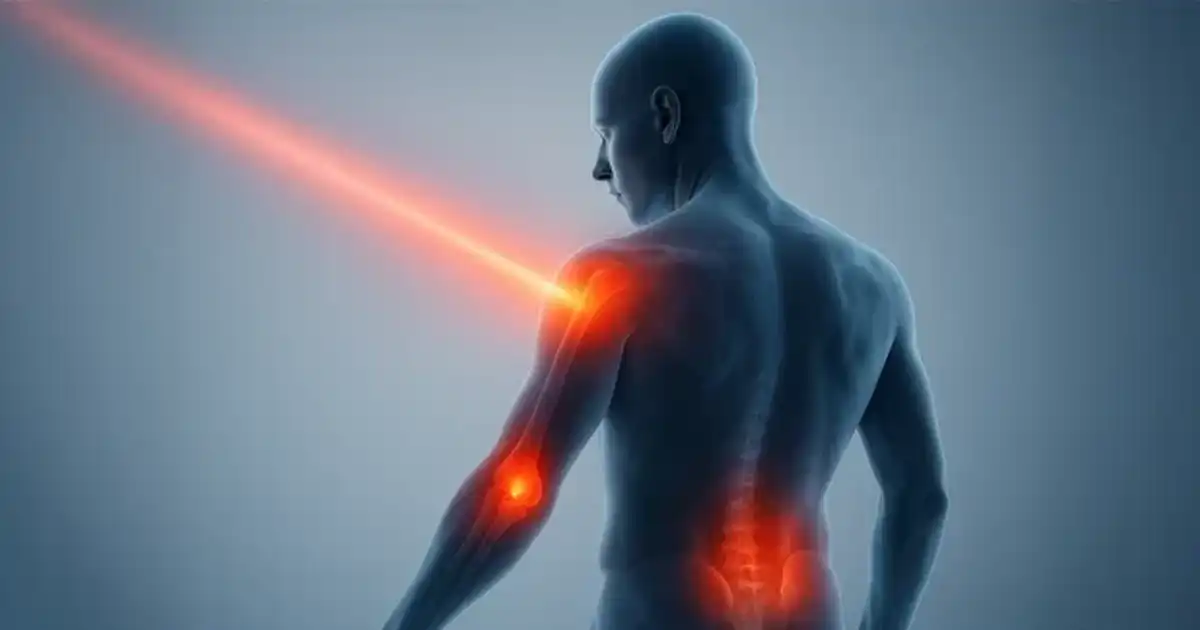
Photobiomodulation offers a natural, non-invasive alternative to conventional treatments for chronic pain. By stimulating cellular metabolism and reducing reactive oxygen species, this light helps reduce inflammation and soothe damaged tissue.
Through controlled exposure to red or infrared light, muscle or joint pain can be significantly reduced. The effects of light therapy on inflamed areas help improve blood circulation, promoting recovery without the use of medication. In addition, photobiomodulation is also effective in treating superficial burns by promoting their healing.
Photomodulation and Skincare: Repair, Soothe, and Regenerate
The benefits of photobiomodulation are particularly noticeable on the skin. In aesthetic medicine, it is used to treat acne, wrinkles, scars, and loss of skin elasticity. This light stimulates the production of collagen and elastin, making the skin smoother, better oxygenated, and better hydrated, and visibly rejuvenated.
LED treatments are non-invasive and painless. They improve hydration, promote healing, reduce redness, and help increase skin oxygenation. These anti-aging treatments are highly sought-after in beauty salons and aesthetic centers. LED photobiomodulation is a quick and painless treatment that helps soothe the skin and strengthen its immunity against external aggressors.
Hair Care: Stimulating Regrowth and Preventing Hair Loss
LED photobiomodulation is also used in hair care. By applying red light directly to the scalp, it helps slow hair loss and extend the hair growth phase.
The light acts directly on the skin cells of the hair follicle. The result: thick, healthy hair, achieved through regular stimulation over several weeks. Generally, a course of 6 to 8 photobiomodulation sessions leads to a noticeable improvement in hair density.
PBM and Brain Function: When Light Stimulates the Mind
Transcranial photobiomodulation, a targeted form of photobiomodulation, acts directly on the brain using specialized devices. These photobiomodulation sessions use infrared light to improve concentration and memory and reduce stress.
This cellular technique promotes better oxygenation of the brain and helps maintain long-term mental balance. Results are usually noticeable after just a few sessions, especially when combined with relaxation or meditation techniques.
The Benefits of Photobiomodulation for Sleep
Sleep disorders are common and often poorly treated. Photobiomodulation can help regulate sleep by influencing circadian rhythms. In fact, infrared light directly affects the neural signals associated with falling asleep.
Photobiomodulation sessions, conducted in the late afternoon, help restore deep, natural, and more restorative sleep. This gentle technique promotes relaxation and hormonal balance, with no side effects. The effectiveness of the sessions is enhanced by their regularity and their tailoring to each individual’s needs.
LED Therapy and Muscle Recovery: A Light Therapy for Athletes
For athletes, LED photobiomodulation is a major asset for muscle recovery. It helps reduce post-workout soreness, speed up the healing of microtears, and limit inflammation.
Whether used before a workout to prepare the muscles or after to speed up recovery, this light therapy can be easily incorporated into an intensive training program. Results are visible after just a few sessions, with increased energy levels and reduced recovery time.
Photobiomodulation: Versatility and Pain-Free Technology
Photobiomodulation goes far beyond a single application. It is used in a wide range of fields, including aesthetic medicine, muscle recovery, hair care, and brain health. It is administered using a variety of devices, such as LED facial lights, light panels, transcranial helmets, and full-body treatment booths.
The differences between LED and laser lie in the depth of penetration and the precision of the light beam. LED treatments are more diffuse but cover large areas, making them ideal for a wide range of applications. These photobiomodulation sessions are safe, non-invasive, and deliver visible results quickly.
Frequently Asked Questions
What are the benefits of photobiomodulation for the skin?
It improves skin texture, stimulates collagen production, accelerates healing, and reduces acne, wrinkles, and redness.
Does photobiomodulation help relieve pain?
Yes. It reduces inflammation, improves circulation, and directly targets the mechanisms underlying chronic or muscular pain.
What benefits can we expect for the brain?
Studies show improvements in mood, sleep, memory, and concentration following regular transcranial sessions.
Scientific sources cited
- Avci P. et al. (2013). LLLT on the skin: stimulating, healing, restoring.
Link to the study
→ Highlights the effects on the skin: regeneration, wrinkle reduction, and acne treatment. - Leal-Junior E.C. et al. (2015). PBM and exercise performance recovery.
Link to the study
→ Describes the benefits of PBM for athletes: improved recovery, reduced muscle soreness. - Salgado A.S.I. et al. (2015). Effects of transcranial PBM on cognition and mood.
Link to the study
→ Demonstrates neurological benefits: memory, concentration, sleep, anxiety. - Barolet, D. (2008). LEDs in dermatology.
Link to the study
→ Confirms the dermatological benefits of PBM for wound healing and reducing redness.
See also
Our guides