Benefits of PBM
Published on
February 5, 2025
Photobiomodulation and Cognitive Functions: Shedding Light on the Brain

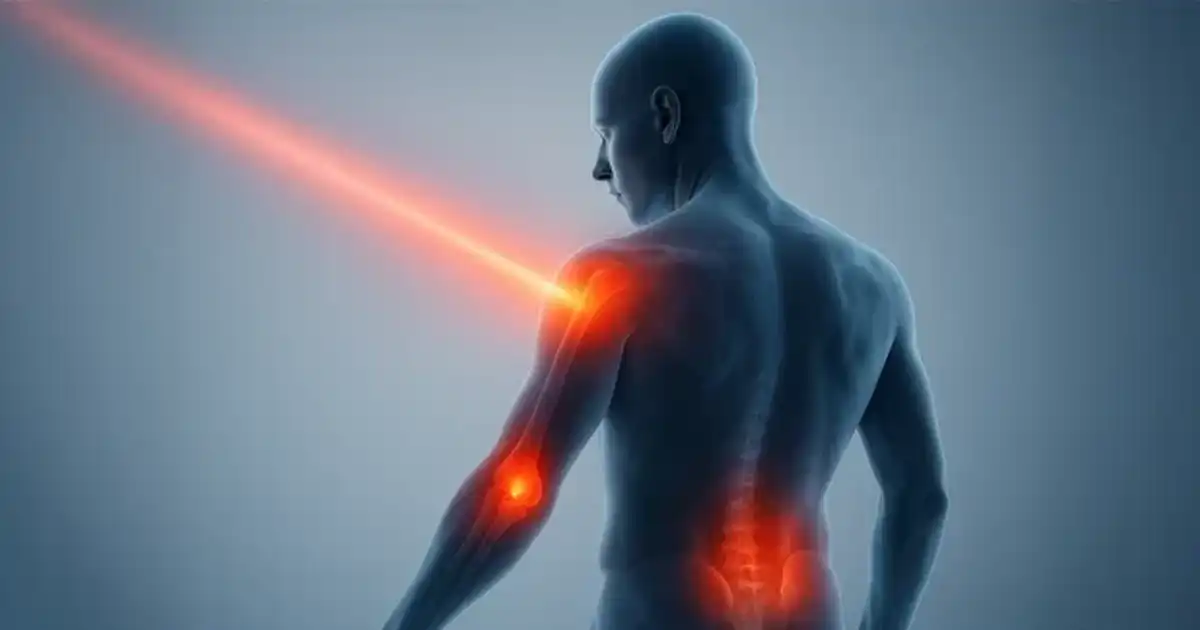
Transcranial photobiomodulation (tPBM) involves applying red or infrared light directly to the skull so that it passes through the bones and acts on the brain.
How does it work?
- Light penetrates tissue: Transcranial photobiomodulation uses wavelengths that penetrate deeply (3–5 cm into the brain)
- Stimulation of brain mitochondria: Activation of cytochrome c oxidase, increased ATP production
- Reduction of cerebral oxidative stress: Reduction of inflammation and neuroprotection
Potential effects of tPBM
Cognition and Memory
- Enhancement of neural plasticity
- Improving working memory
- Ongoing studies: potential for slowing cognitive decline
Mental health
- Reduction of depression (increased serotonin and norepinephrine)
- Natural anxiolytic (by regulating the autonomic nervous system)
- Restoring Sleep (promising preliminary studies)
General well-being
- Mental clarity and concentration
- Reduction of cognitive fatigue
- Improving motivation
Recommended protocols
Base frequency
- 1 to 2 times a week for your well-being
- 3 to 5 times a week for therapeutic benefits (depression, cognitive function)
- Duration: 10–20 minutes per session, depending on the device
Duration of treatment
- Initial effects: 2–4 weeks
- Plateau results: 8–12 weeks
- Maintenance: Twice a week on a long-term basis
Safety and Precautions
- No major side effects have been reported
- Non-ionizing radiation: no DNA damage
- Contraindications: photosensitivity, epilepsy (rarely a problem)
- Precautions: Avoid use in patients with photophobia
Recommended devices
- Transcranial LED caps: Specially designed for the skull
- LED Panels: Versatile Applications
- Check for the CE mark; wavelengths 600–1100 nm
Opinion of the scientific community
- Research: promising but still in the development phase
- Results vary depending on individual profile and compatibility
- Recommendation: a supplement to meditation, exercise, and therapy
See also
Our guides