The Benefits of Photobiomodulation for the Skin

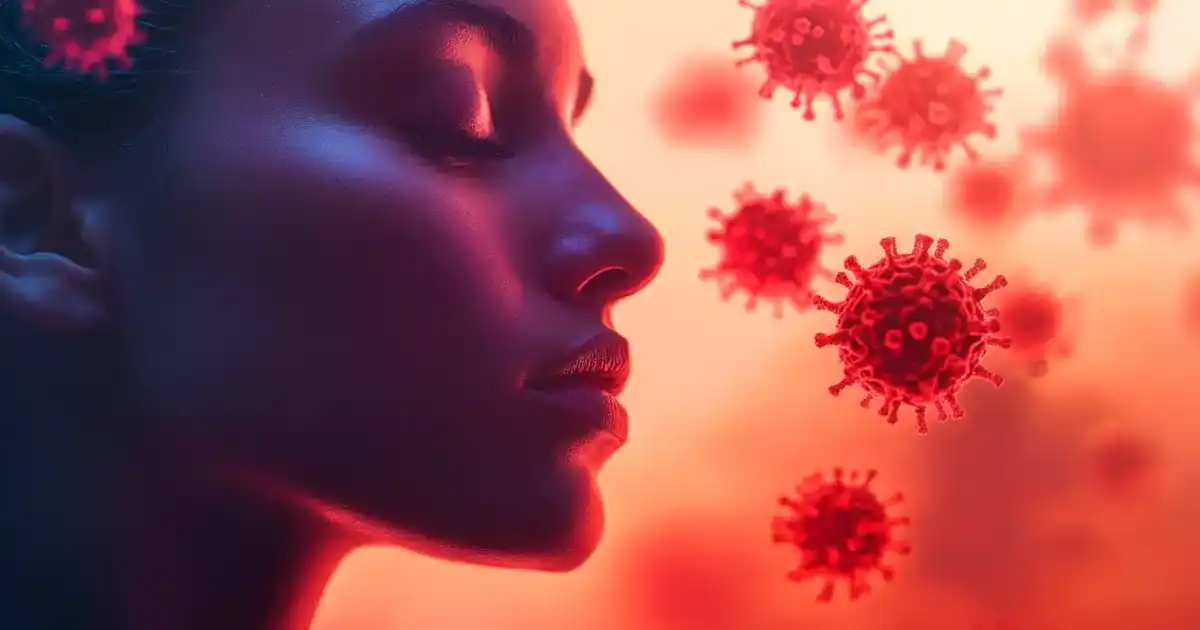
Photobiomodulation (PBM) is a technology that uses red or near-infrared light to stimulate the skin’s natural repair processes. This non-invasive treatment is now recognized for improving skin texture, reducing inflammation, and promoting healing.
How does light affect the skin?

Fibroblasts and collagen
Light stimulates fibroblasts, which produce collagen and elastin—essential for firm, youthful skin.
Boosted cellular energy
It stimulates the mitochondria, increasingATP production, which is essential for tissue regeneration.
Anti-inflammatory effect
It regulates cytokines and reduces oxidative stress, a key factor in chronic irritation.
The main benefits for the skin
| Indications | Benefits of photobiomodulation |
|---|---|
| Acne |
|
| Wrinkles and sagging |
|
| Scars |
|
| Radiant complexion |
|
How long does it take to see results?
The first improvements are often noticeable after just 3 to 5 sessions. A full treatment plan lasts between 4 and 8 weeks, with 2 to 3 sessions per week for optimal results.

Who is photobiomodulation for the skin intended for?
This therapy is suitable for:
- For adults with persistent acne
- For those who want to slow down the signs of aging
- For post-operative patients to speed up healing
- For sensitive skin prone to rosacea or chronic inflammation
What skin types is it suitable for?
Photobiomodulation is indicated for:
- Acne-prone skin
- Mature or sagging skin
- Sensitive skin (rosacea, mild dermatitis)
- Post-aesthetic procedures (chemical peels, laser treatments, etc.)
For healthcare professionals
In dermatology and cosmetic clinics, PBM is used:
- Before or after invasive procedures
- In addition to anti-aging skincare
- To minimize side effects and shorten recovery times
Frequently Asked Questions
What effects does photobiomodulation have on the skin?
It stimulates cell regeneration, improves skin texture, reduces redness, breakouts, and fine lines, and promotes healing.
How long does it take to see results on the skin?
Visible results often appear after 4 to 8 sessions, depending on the frequency of treatment, the device’s power, and the area being treated.
Is photobiomodulation suitable for sensitive or problem skin?
Yes. It is non-invasive, painless, and safe for sensitive skin, provided that a certified red/infrared device is used.
Scientific sources cited
- Barolet, D. (2008). LEDs in dermatology.
Link to the study
→ A landmark study on the anti-aging, anti-acne, and wound-healing effects of red light. - Avci P. et al. (2013). LLLT in skin: stimulating, healing, restoring.
Link to the study
→ Confirms collagen stimulation, improved microcirculation, and reduced skin inflammation. - Lee S.Y. et al. (2007). LLLT for wrinkle reduction: a controlled clinical study.
Link to the study
→ Clinical study showing a significant reduction in wrinkles after 8 weeks of red LED exposure. - Gold M.H. (2011). Use of light-based therapies in acne treatment.
Link to the study
→ Describes the anti-inflammatory effect of red light on sebaceous glands and acne lesions
Discover the Body Boost Bed full-body photobiomodulation cabin
See also
Our guides