Mitochondria: Understanding Their Vital Role in Cellular Energy and Health

Mitochondria are the powerhouses of our cells. They produceATP, regulate the immune system, and influence our longevity. They also play a central role in the mechanisms stimulated by photobiomodulation, particularly by red and infrared light.
What is a mitochondrion?
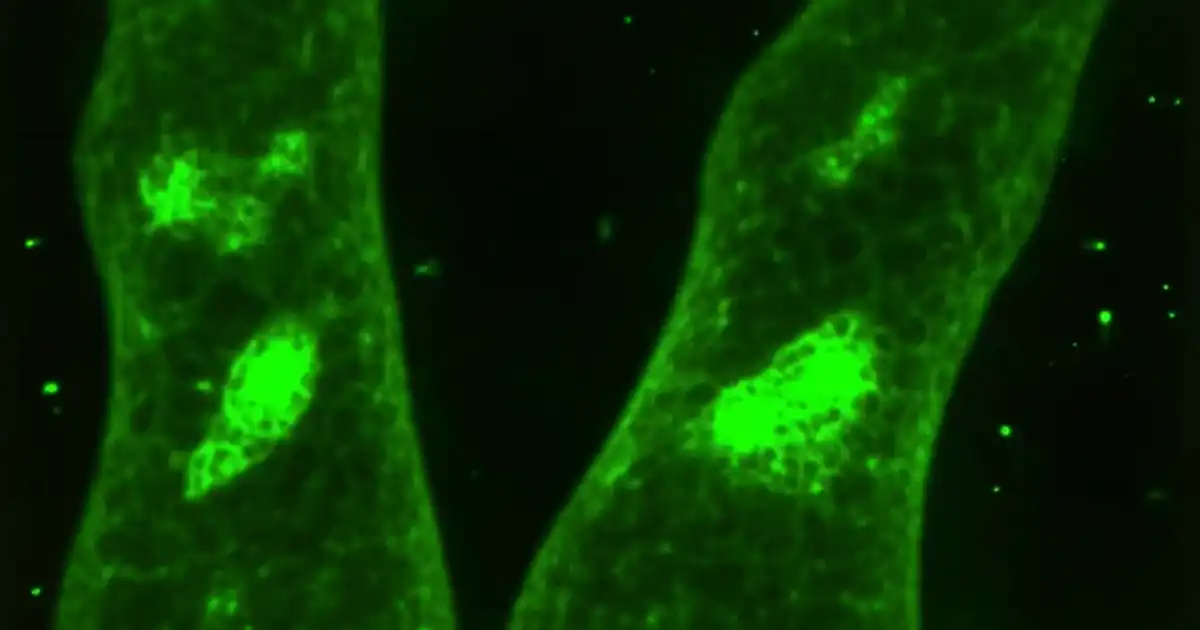
Found in nearly every cell in the body, mitochondria produce ATP, the body’s primary source of cellular energy. They play a vital role in metabolism, cellular respiration, hormone synthesis (testosterone, cortisol), and immunity.
👉 To learn more about this process, visit our page on ATP and photobiomodulation.
The link between mitochondria and aging
As we age, the number and quality of mitochondria decline. This decline leads to:
- Chronic fatigue
- Cognitive decline (see PBM and brain function)
- Sarcopenia
- Chronic inflammation (inflammaging)
📌 In addition, studies show that supporting the mitochondria helps slow down certain markers of aging.
Causes of mitochondrial dysfunction
Aggravating factors include:
- An unbalanced diet and an excess of refined carbohydrates
- Environmental pollutants
- Deficiencies (magnesium, zinc, selenium, etc.)
- Medications and toxins
- Sedentary lifestyle, sleep apnea
🔥 Our health recommendations also include the use of therapeutic red light to counteract these effects.
How can you reactivate your mitochondria?
Physical activity
Endurance exercise stimulates mitochondrial biogenesis (activation of PGC-1α), particularly in the muscles and the brain.
Red/infrared light
Photobiomodulation sessions using devices such as our PBM-600 or PBM-300 boost ATP production and reduce oxidative stress.
Targeted nutritional therapy
- Coenzyme Q10: supports mitochondrial respiration
- NAD+ / NMN: Support Energy and Longevity
- Alpha-lipoic acid, L-carnitine: protect and repair
- PQQ, glutathione, magnesium: antioxidants and cell protectors
Helpful Tip: How Can You Support Your Mitochondria Every Day?
✅ Get some sun and red light exposure
✅ Get regular exercise
✅ Limit refined carbs and eat a varied diet
✅ Use an LED device at home for short but regular sessions
✅ Try the Vielight Neuro Duo 4 to stimulate your brain
Frequently Asked Questions
What is a mitochondrion?
It is a small structure inside our cells that generates the energy needed for all vital functions.
How are they related to age?
Their decline is directly linked to aging, chronic diseases, fatigue, and loss of muscle mass.
Can they be regenerated?
Yes. With regular red light sessions, appropriate physical activity, and a diet rich in protective micronutrients.
Scientific sources cited
- Mitochondrial dysfunction in aging and disease – López-Otín et al. – 2013 – PubMed
- NAD+ and Mitochondrial Function in Aging and Disease – Gomes AP et al. – 2013 – PubMed
- Mitochondrial dysfunction in Parkinson’s disease – Lin MT et al. – 2006 – PubMed
See also
Our guides