The Conversation: A Researcher Explores the Potential of Red Light
A researcher answers the questions everyone is asking
The Conversation is a somewhat unique media outlet: its articles are written by academics, edited by journalists, and published under a Creative Commons license. On January 24, 2025, the U.S. website posted an interview with Praveen Arany under a headline that sets the tone: red light therapy shows promise for pain, inflammation, and skin conditions, but other claims may be exaggerated.
Arany is no ordinary figure in this field. A professor of oral biology, biomedical engineering, and surgery at the University at Buffalo, he specializes in the medical applications of light and lasers, and his name comes up in most serious studies on photobiomodulation. His writing is clear and cautious, which is not all that common on this topic. Here are the main points.
Table of Contents
- Red light, cold laser, LED: What are we talking about?
- What Randomized Trials Have Shown
- This is still based on case series
- Dental office laser, in-office LED, at-home device
- Frequently Asked Questions
- Key Takeaways
Red light, cold laser, LED: What are we talking about?
The first purpose of this article is to clarify the terminology. Red light therapy, low-power laser, soft laser, cold laser, and non-thermal LED: all these terms refer to the same thing. The generic term is photobiomodulation, and it also encompasses other colors, from the visible spectrum to the near-infrared. Red is simply the most common because it has been available for over thirty years.
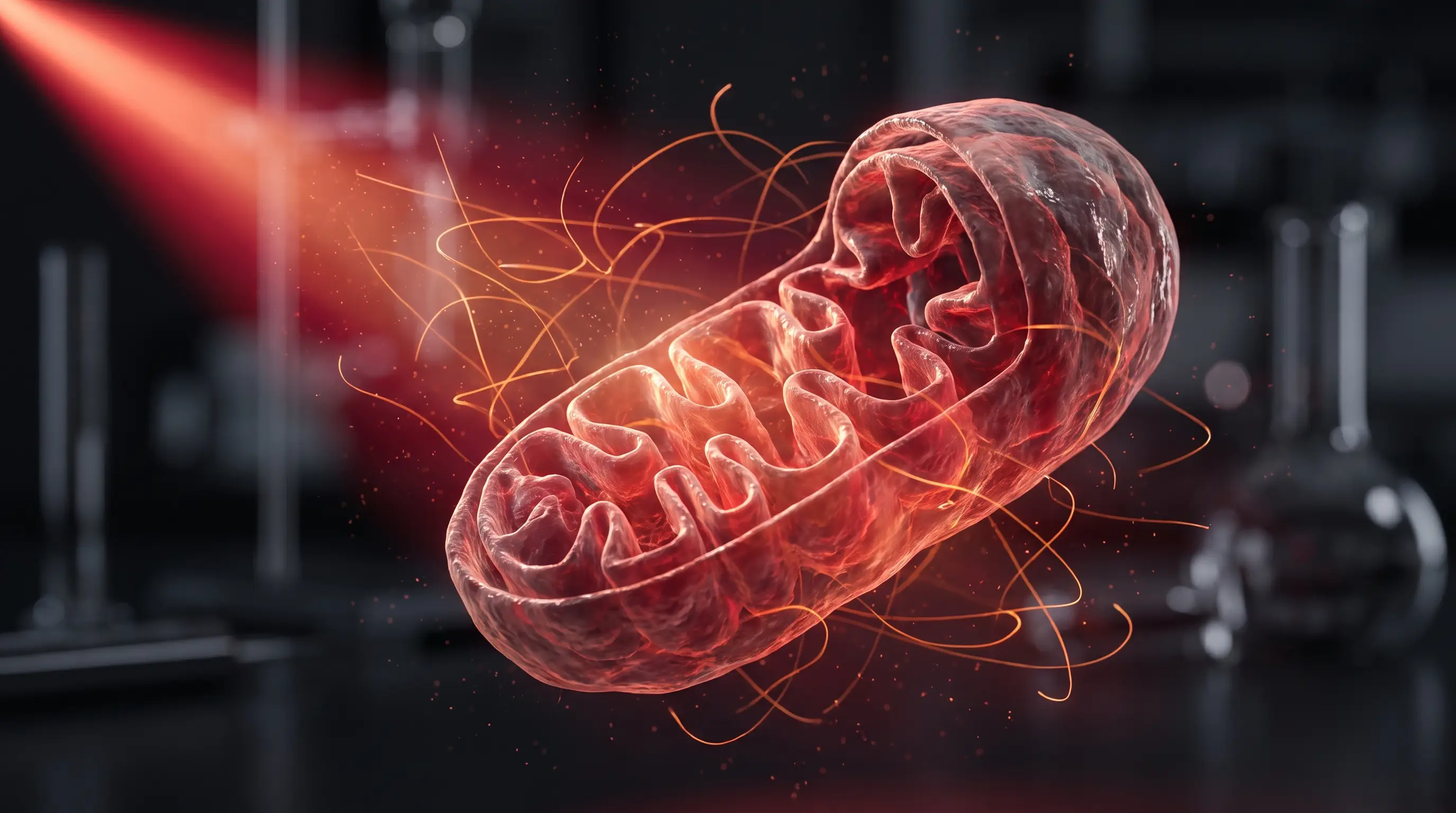
Arany notes that other colors are still being studied: green for migraines, yellow for depression, and blue to combat certain drug-resistant bacteria such as MRSA and to treat seasonal depression. The basic principle is simple: red light stimulates cells, “energizes” them, and boosts circulation in the treated area, which promotes healing—much like how the body reacts to a cut.
A session lasts three to fifteen minutes, either sitting or lying down. You may feel a slight warmth, but never any discomfort. The practitioner generally recommends wearing eye protection. And here’s something reassuring: an “overdose”—whether in duration or intensity—doesn’t necessarily cause harm, but it can reduce or slow down the benefits. Some people who are more sensitive may experience flushing and will need to receive lower doses.
What Randomized Trials Have Shown
This is the crux of the interview. Arany points out that randomized, controlled clinical trials show that red light can reduce pain, inflammation, and tissue damage. Since these three factors are present in a wide range of diseases, photobiomodulation could become a useful adjunct treatment for many of them.
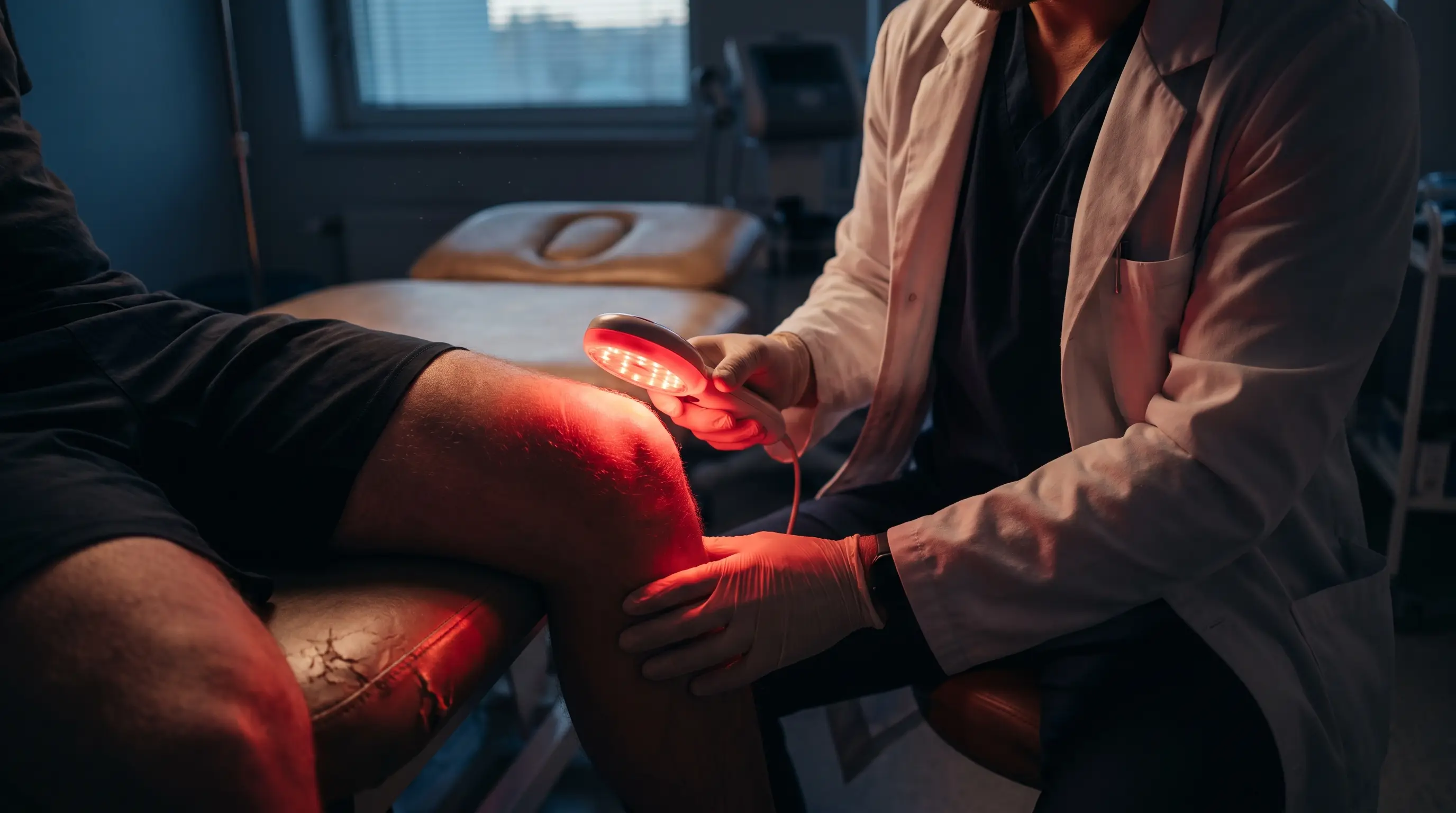
The example he uses is cancer. There is now strong evidence that red light alleviates the pain and inflammation caused by radiation therapy, chemotherapy, and bone marrow stem cell transplants. It has also reduced other treatment-related complications, such as mouth sores, scarring, and fibrosis. We want to emphasize the meaning of this sentence: this is supportive care, never a treatment for the cancer itself. This is exactly what the French teams demonstrated in the France 24 report.
Other recent studies in humans, Arany continues, show that it aids in the healing of diabetic wounds, burns, and certain ulcers, though it never replaces standard wound care such as disinfection. Photobiomodulation has also been effective for neck and lower back pain, as well as epicondylitis—commonly known as tennis elbow.
This is still based on case series
Here is the passage that device sellers rarely mention. Arany lists the conditions for which red light has shown benefits in clinical case reports and laboratory studies, but not in large-scale randomized trials: Parkinson’s disease, Alzheimer’s disease, multiple sclerosis, fibromyalgia, arthritis, macular degeneration, nearsightedness, and autism.
And he adds a direct warning: red light therapy may not work for all the conditions its proponents claim it does. Cardiovascular health, mood, anxiety, muscle performance, recovery from sports injuries, and anti-aging for the skin: there is some evidence supporting these uses, but rigorous studies are still lacking.
We see no reason to downplay this observation. With regard to sports recovery in particular, the data has since expanded, but the hierarchy of evidence described by Arany remains the correct framework for interpreting it.
Dental office laser, in-office LED, at-home device
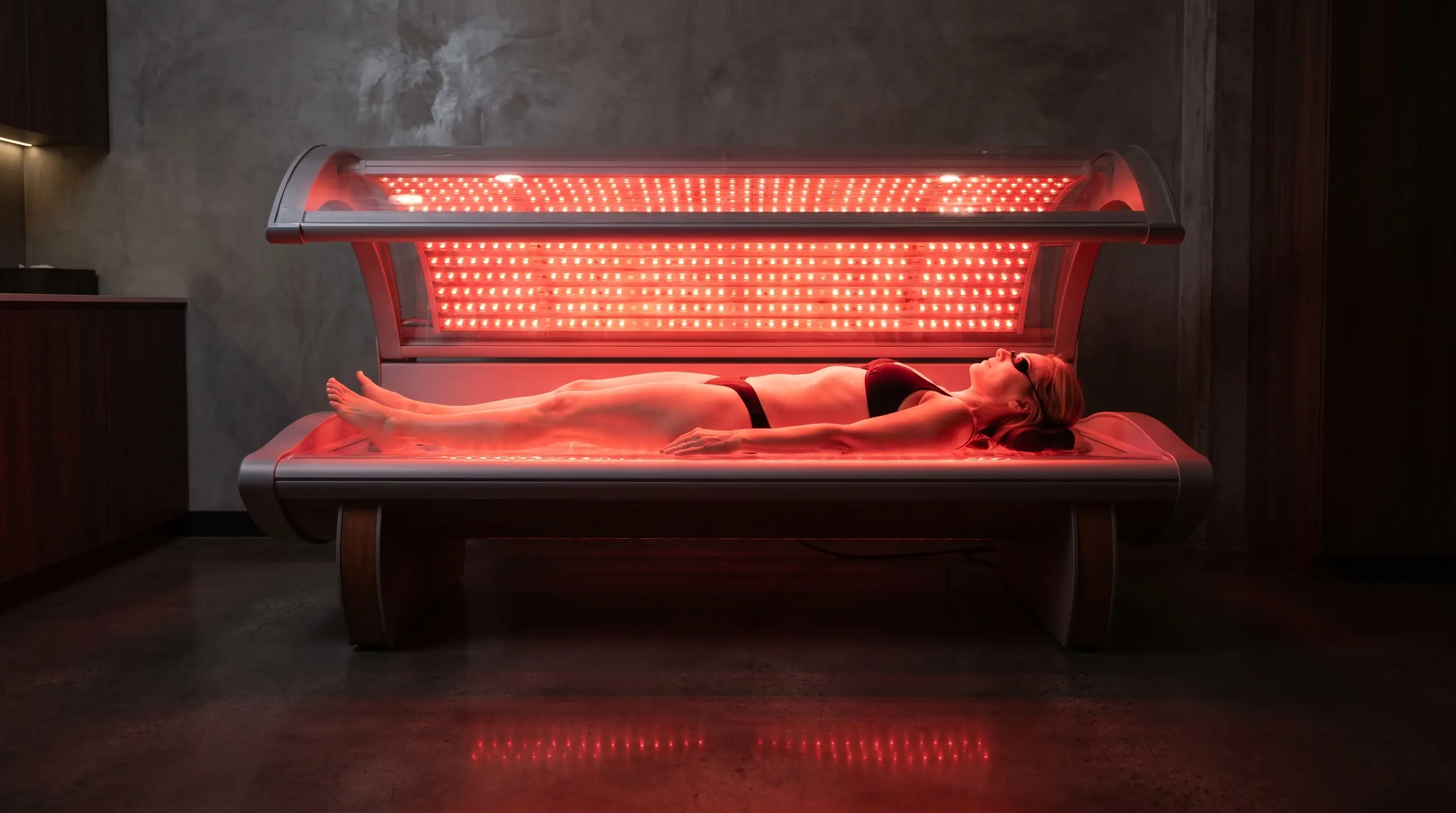
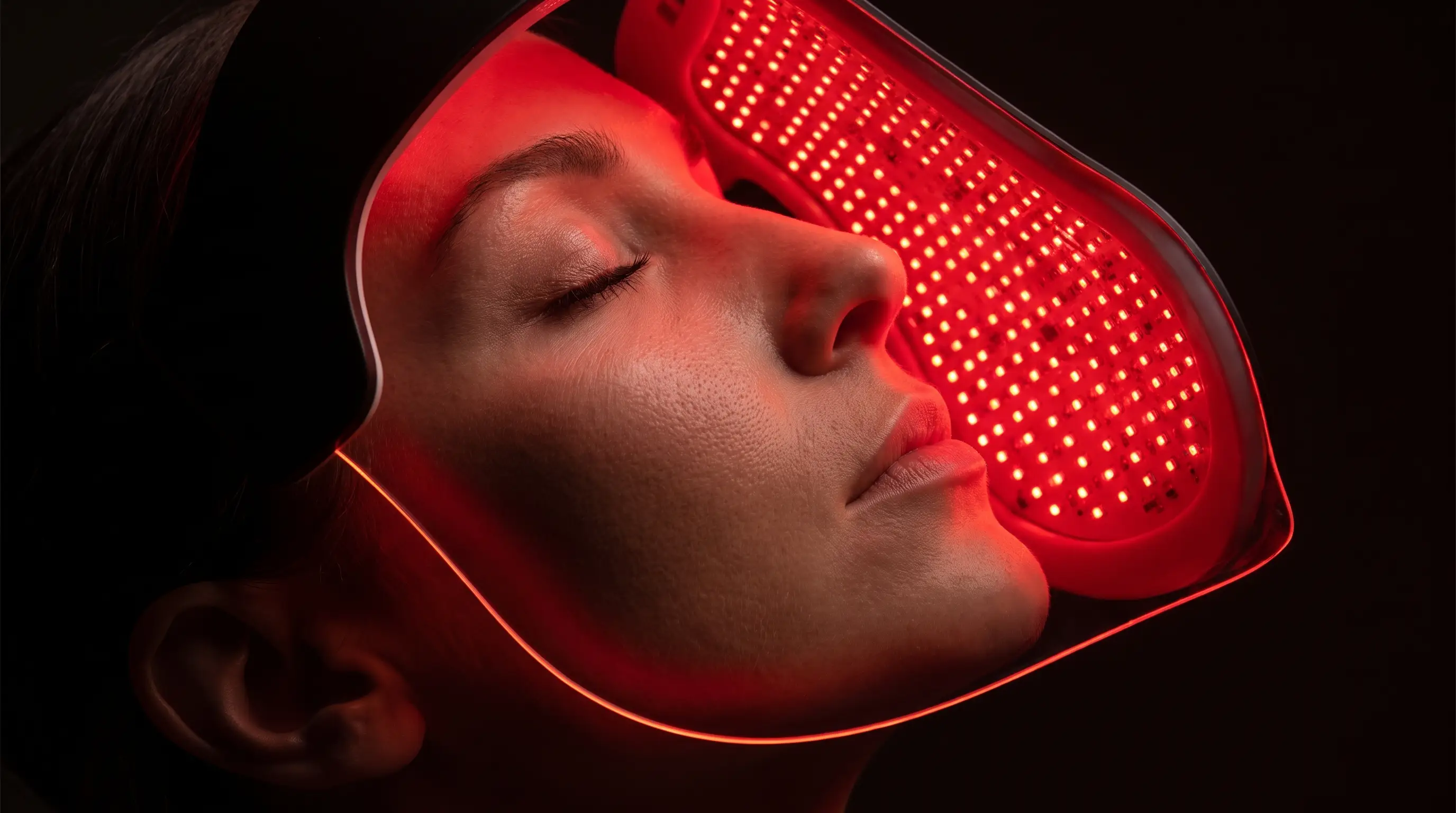
The final part of the interview—the most practical one. These devices come in all shapes and sizes: beds, lamps, helmets, masks—laser or LED—and can be found in clinics, medical spas, gyms, beauty salons, and private homes.
Arany establishes a hierarchy. The laser is more powerful and is intended for use in hospitals, clinics, or doctors’ offices, because it can cause more damage in the hands of untrained personnel. The LED, which is less powerful, is suitable for commercial establishments provided that the practitioners are trained. As for home-use products, their quality and reliability may be questionable: they do not always meet the minimum standards for power or wavelength.
He concludes by pointing out a shortcoming that we’ve also noticed: there is still no certification body that tests devices to verify that they actually deliver what they claim. The FDA is taking a more stringent approach, especially regarding lasers, and several professional organizations are considering the issue. In the meantime, the user’s only protection is to read the technical specifications rather than the marketing claims.
Frequently Asked Questions
For which conditions is there strong evidence supporting red light therapy?
According to Praveen Arany in *The Conversation* (January 24, 2025), randomized controlled trials show a reduction in pain, inflammation, and tissue damage, with strong evidence regarding the side effects of radiation therapy, chemotherapy, and bone marrow transplants, the healing of diabetic wounds and burns, and certain musculoskeletal pain conditions such as neck pain, lower back pain, and epicondylitis.
Is red light effective against Parkinson's or Alzheimer's?
The evidence is insufficient. Arany notes that case reports and laboratory studies suggest a benefit for Parkinson’s disease, Alzheimer’s disease, multiple sclerosis, and fibromyalgia, but that no large-scale randomized trials have confirmed this. These uses remain experimental and are not a substitute for any prescribed treatment.
What is the difference between a laser and an LED in photobiomodulation?
Lasers are more powerful and are intended for use only by trained healthcare professionals; LEDs, which are less powerful, can be used in commercial settings by trained staff or at home. Arany warns that some home-use products do not meet the required standards for power and wavelength to be effective.
Key Takeaways
A leading researcher took ten minutes to explain, in plain language, where science stands today. Pain, inflammation, wounds, and side effects of cancer treatments: the evidence is there. Neurology, mood, sports, and anti-aging: we’re waiting for large-scale trials. And when it comes to equipment, power and wavelength matter more than price or packaging.
This is a tip we recommend keeping in mind whenever an ad promises more.
The original article, in English, is freely available and may be republished on theconversation.com.
Source: Praveen Arany, “Red light therapy shows promise for pain relief, inflammation, and skin conditions—but other claims might be hyped,” The Conversation, January 24, 2025, Creative Commons license. This article is a summary; it does not constitute medical advice. Photobiomodulation is not a substitute for prescribed treatment. Consult a healthcare professional.
See also
Our News