CNN: Kara Swisher Tests Full-Body Red Light Therapy
Kara Swisher, Longevity, and the “Grifters”
Kara Swisher doesn’t pull any punches. A tech journalist known for her no-holds-barred interviews with Silicon Valley executives, she has dedicated a documentary series to the longevity industry—those companies that promise to help people live longer, or never die. The second episode, accompaniedby an article published on CNN on April 18, 2026, takes aim at what she calls “wellness grifters”—those who peddle shortcuts that don’t work.
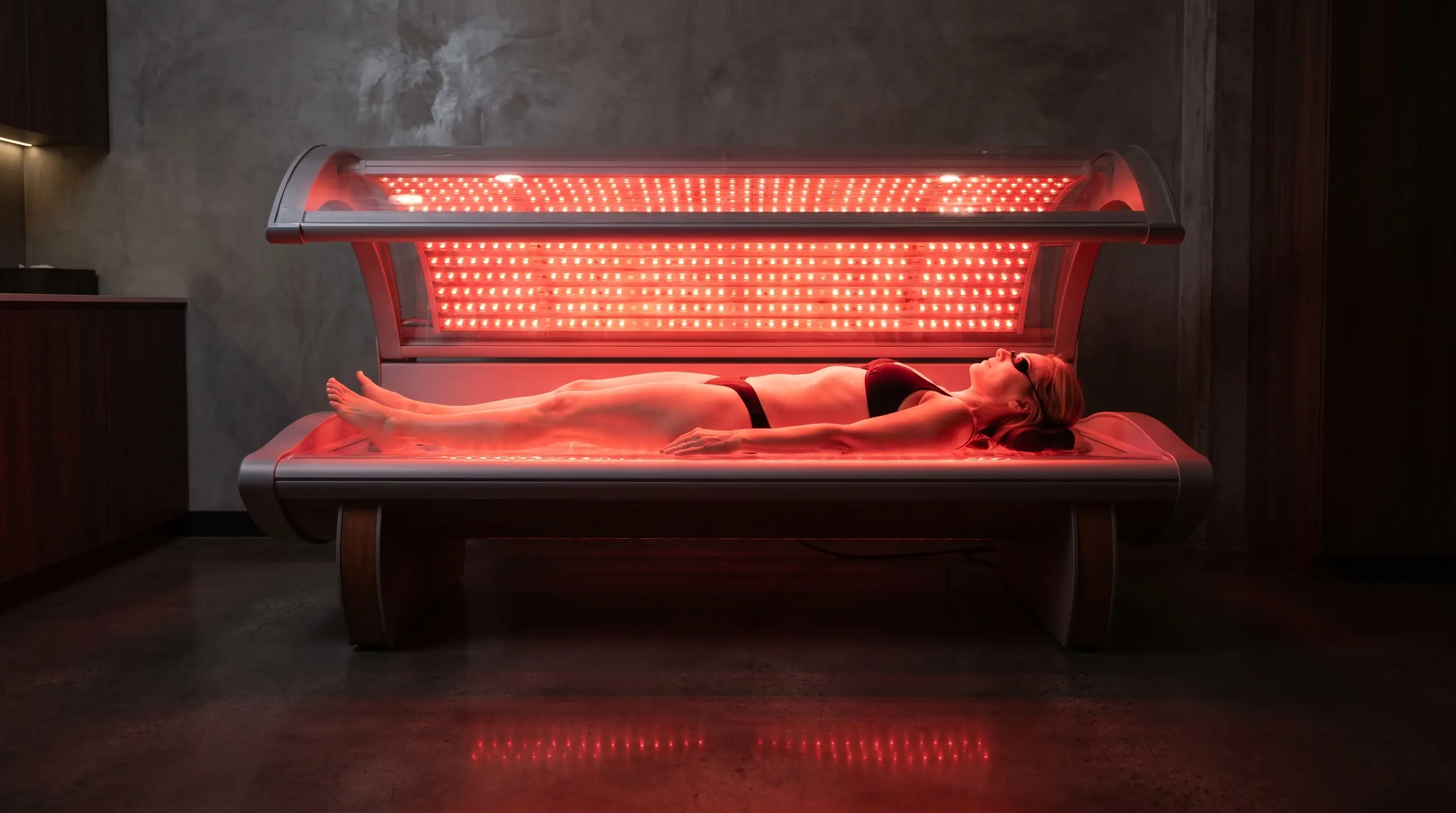
What interested us was what she kept after sorting through everything. Among the expensive gadgets and useless supplements, two practices stand out: the sauna and photobiomodulation. Swisher tries it out herself, lying in a full-body red-light machine alongside journalist Amy Larocca. The photo opens the article.
Table of Contents
- "Not just hype"
- What Light Does to Cells, CNN Style
- In-office laser treatment or at-home LED panel
- It's not a magic potion
- Frequently Asked Questions
- Key Takeaways
"Not just hype"
CNN interviewed Zakia Rahman, a clinical professor of dermatology at Stanford and a member of the Stanford Center on Longevity. Her position can be summed up in one sentence: red light therapy is one of the latest trends in beauty and longevity, but its effects are not just hype.
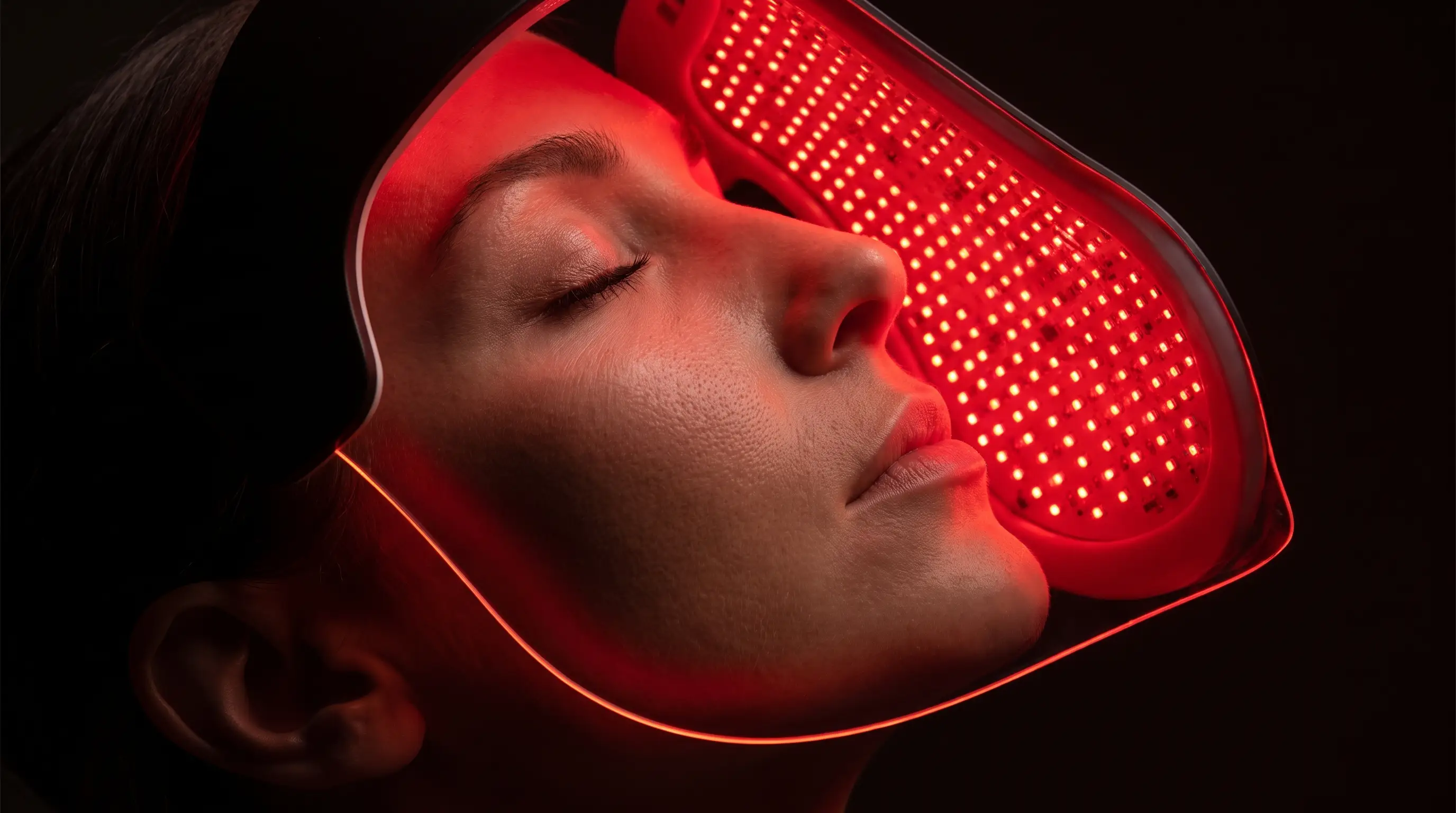
She clarifies two points. First, it’s not just a single type of light but specific wavelengths—red and near-infrared—the latter of which is less often mentioned even though it sends different signals to the body. Second, evidence is mounting regarding two specific uses: skin texture and hair growth. It is this growing body of evidence, she says, that explains the boom in at-home devices designed for cosmetic purposes.
What Light Does to Cells, CNN Style
To explain the mechanism, CNN turns to Praveen Arany, an associate professor of oral biology at the University at Buffalo and one of the most-cited researchers in the field. His explanation is deliberately simple: red light is converted into energy in the mitochondria—the cell’s “powerhouses” that everyone vaguely remembers from high school. Exposing cells to these wavelengths is said to improve their performance and resilience and reduce inflammation.
Arany adds a nuance that we appreciate: this mechanism is not known with certainty. This is what researchers believe, based on the available data. He cites ongoing studies on chronic pain, Parkinson’s disease, and Alzheimer’s disease, while noting that treating deep structures in the body still requires more data, and that the protocols (how to administer the light, which wavelengths, and for how long) have not yet been established.
This echoes the same sentiment expressed in the Nature investigation published a month earlier, in which Arany also participated. The consistency between the two sources is a good sign: serious researchers in the field do not overstate their findings.
In-office laser treatment or at-home LED panel
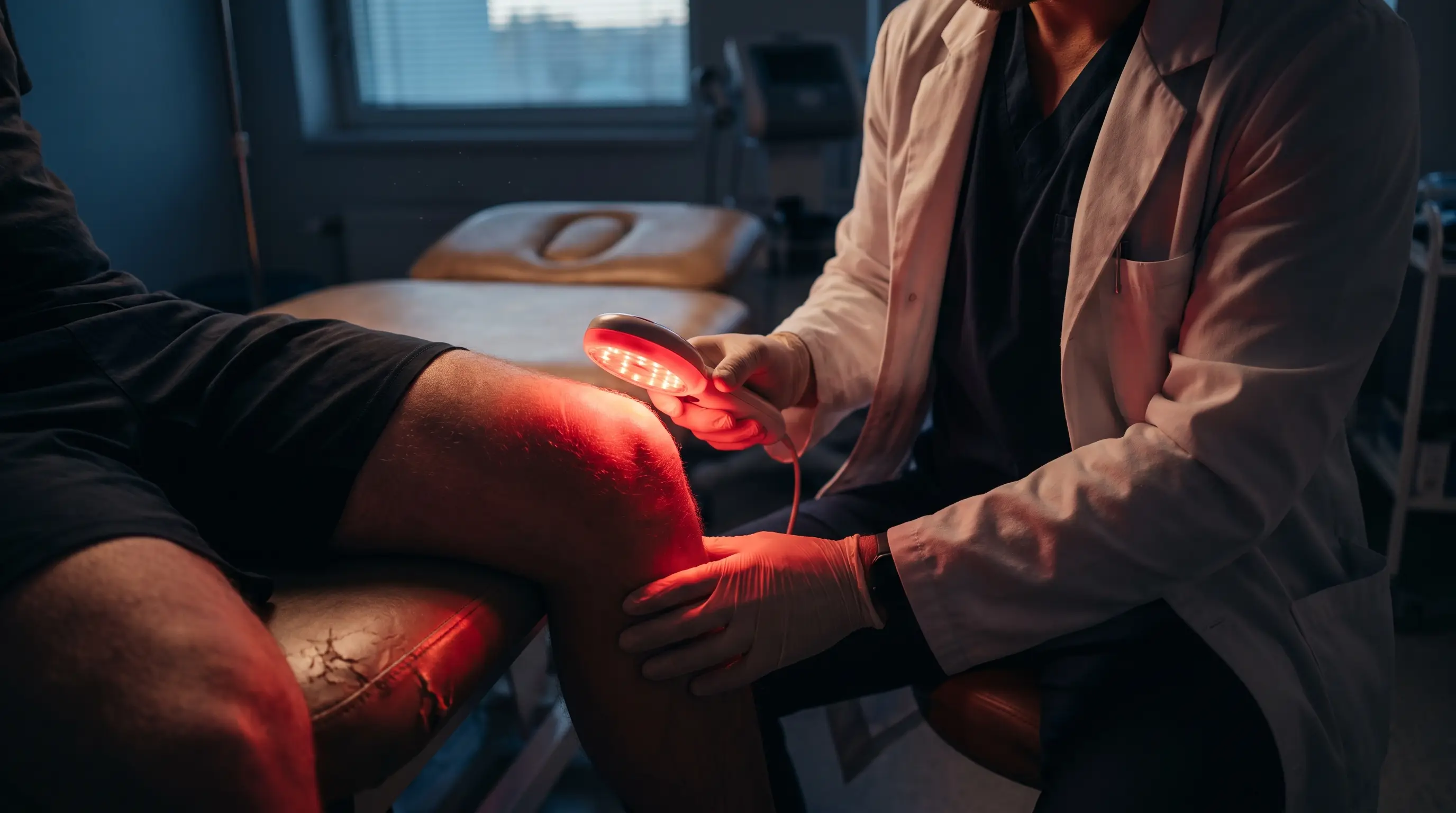
The article distinguishes between two ways of receiving red light: lasers, which are typically used in medical offices and are more powerful; and LED panels, which many people buy for home use. According to Arany, LEDs pose fewer risks if misused, but the market is also less regulated.
That’s why Zakia Rahman advises those who want to try it to start by looking for devices approved by the FDA, the U.S. Food and Drug Administration. And here’s a word of caution for everyone: no one wakes up the next day looking ten years younger with a full head of hair. Results require regular use over several months.
We’d like to add a point that CNN doesn’t address: between in-office lasers and $80 masks, there are professional full-body LED medical devices whose irradiance and wavelengths are well-documented. This is the category we’re focusing on. The relevant question isn’t “laser or LED,” but “what dose, at what distance, for how long.”
It's not a magic potion
The end of the article puts things into perspective, and we fully agree with it. Even the tools backed by data—including saunas and red light therapy—aren’t what make the biggest difference. If you don’t eat right, don’t get enough sleep, don’t exercise, and don’t maintain a social life, these techniques can’t do much to help.
Zakia Rahman puts it this way: the people who benefit most from a red-light device are often those who are already doing everything else and want to add another building block to their routine. CNN takes the metaphor further: these devices are the whipped cream, not the ice cream at the bottom of the bowl.
Venkatraman Ramakrishnan, a Nobel laureate in chemistry and author of a book on the science of aging, points out that eating a plant-based diet, sleeping, and exercising are free—but only for those who have the time and resources to do so. This is a valid point, and it also applies to photobiomodulation: it’s just one more tool for those who have already laid the groundwork.
Frequently Asked Questions
What does CNN say about red light therapy?
In its April 18, 2026, article related to the series “Kara Swisher Wants to Live Forever,” CNN lists red light therapy among the scientifically grounded longevity practices, alongside saunas. Dermatologist Zakia Rahman (Stanford) cites growing evidence regarding skin texture and hair growth; researcher Praveen Arany (Buffalo) describes the mitochondrial mechanism and ongoing studies on chronic pain, Parkinson’s, and Alzheimer’s.
Is full-body photobiomodulation different from an LED mask?
Yes, based on the treated area and, above all, the dose. A full-body device like the one tested by Kara Swisher exposes the entire body to a controlled level of irradiance, whereas a consumer-grade face mask covers the face with a power level that is often undocumented. CNN points out that the at-home LED market is largely unregulated and advises checking for FDA approval.
How long does it take to see the effects of red light?
Several months of regular use, according to Zakia Rahman in an interview with CNN. No device produces visible results after a single session. Consistency matters more than the intensity of a single treatment.
Key Takeaways
A journalist known for her skepticism has put the longevity industry under the microscope and given it a red light. Not as a miracle, but as a tool. The two academics interviewed echo the scientific literature: solid evidence regarding skin and hair, promising leads in other areas, protocols that need further refinement, and a market worth monitoring.
And here’s a priority list we remind everyone who contacts us of: sleep, exercise, and eat right first. Photobiomodulation comes next, and it works best when the rest is in place.
The full article is available for free on cnn.com.
Source: “Don’t get swept away by longevity snake oil. But check out red light therapy and saunas,” CNN Health, April 18, 2026, as part of the series “Kara Swisher Wants to Live Forever.” This article is a summary; it does not constitute medical advice. Photobiomodulation is not a substitute for prescribed treatment. Consult a healthcare professional.
See also
Our News
Similar articles, tips, and discoveries