A Revolution in the Treatment of Cardiovascular Disorders

Photobiomodulation: A Revolution in the Treatment of Cardiovascular Disorders
Introduction to Photobiomodulation
Photobiomodulation (PBM), also known as low-level laser therapy, is a noninvasive medical method. It is gaining popularity and could revolutionize the treatment of cardiovascular disorders, a leading cause of death worldwide.
Understanding Photobiomodulation
Photobiomodulation uses low-intensity lasers or LEDs to stimulate the healing of damaged or diseased tissue. This technique converts light energy into cellular energy, triggering beneficial biological responses.
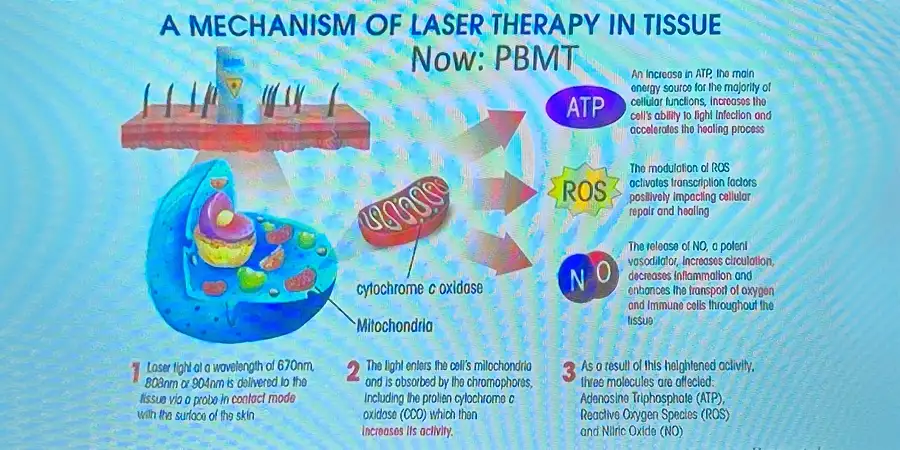
The Potential of Photobiomodulation for Cardiovascular Disorders¹
PBM holds promise as a new treatment strategy for several cardiovascular disorders, such as:
- Ischemic heart disease: It may reduce the size of the heart attack by improving blood flow to the heart tissue.
- Heart Failure: Research shows an improvement in cardiac function, attributed to improved mitochondrial function and a reduction in oxidative stress.
- High Blood Pressure: PBM can lower blood pressure by improving endothelial function and reducing oxidative stress.
- Peripheral Artery Disease: This therapy may improve blood flow in the peripheral arteries, thereby relieving symptoms.
Challenges and Future Prospects
Despite its potential, photobiomodulation faces challenges such as the need to standardize treatment protocols and conduct more clinical trials to confirm its effectiveness.
Photobiomodulation is a promising therapeutic approach that could revolutionize the treatment of cardiovascular disorders. Although further research is needed to refine its mechanism of action and establish standardized protocols, PBM is poised to become a major breakthrough in cardiovascular medicine.
See also
Our News
Similar articles, tips, and discoveries