How photobiomodulation can relieve pain.
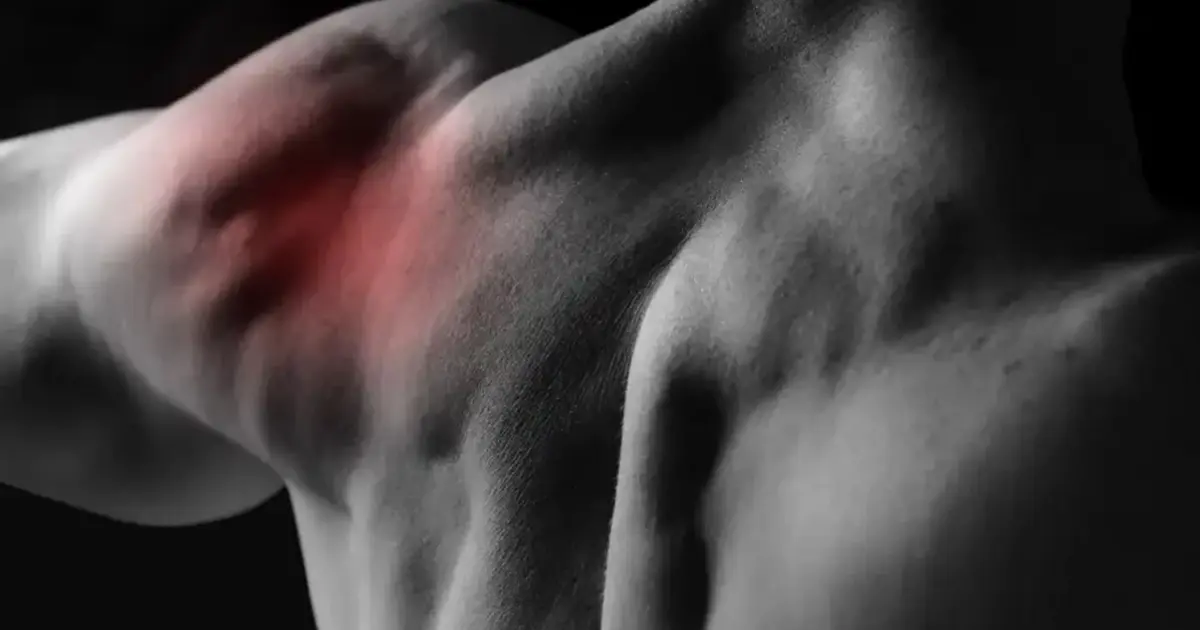
Photobiomodulation and Inflammation: A Natural Solution forPain Relief
Photobiomodulation, also known as low-level laser therapy, is a technology that uses red and near-infrared light to promote healing, relieve pain, and reduce inflammation [1]. In this article, we will explore the topic of photobiomodulation and inflammation in depth, drawing on scientific studies to understand how this natural method can benefit your body.
Mechanisms of photobiomodulation
Photobiomodulation works by targeting chromophores such as cytochrome c oxidase and calcium ion channels, leading to increased ATP production, the generation of reactive oxygen species, elevated nitric oxide levels, and the modulation of calcium levels [1]. These effects activate transcription factors, promoting cell survival, proliferation, migration, and protein synthesis.
Photobiomodulation exhibits a biphasic dose-response relationship, with low light levels having stimulatory effects and high light levels having inhibitory effects [1].
Photobiomodulation and Inflammation
Photobiomodulation has been shown to be effective in reducing inflammation in various conditions, including joint disorders, traumatic injuries, lung disorders, and brain-related inflammation [1]. Studies have demonstrated its ability to reduce inflammatory markers in activated macrophages and have yielded promising results in animal models.
Clinical Applications of Photobiomodulation
The article discusses the clinical indications for the anti-inflammatory effects of photobiomodulation and provides references for further reading [1]. These references cover topics such as the history of low-level laser therapy, the proposed mechanisms of photobiomodulation, and a study investigating its effects on the osteoblastic differentiation of stem cells derived from human adipose tissue.
Photobiomodulation is a natural method that has been shown to be effective in reducing inflammation in various conditions. By targeting specific chromophores, it can promote healing, relieve pain, and reduce inflammation. With a deeper understanding of its mechanisms and clinical applications, photobiomodulation may offer a new approach to treating various inflammatory conditions.
References
- Mechanisms and Applications of the Anti-Inflammatory Effects of Photobiomodulation. PubMed. Accessed June 27, 2023.
See also
Our News
Similar articles, tips, and discoveries