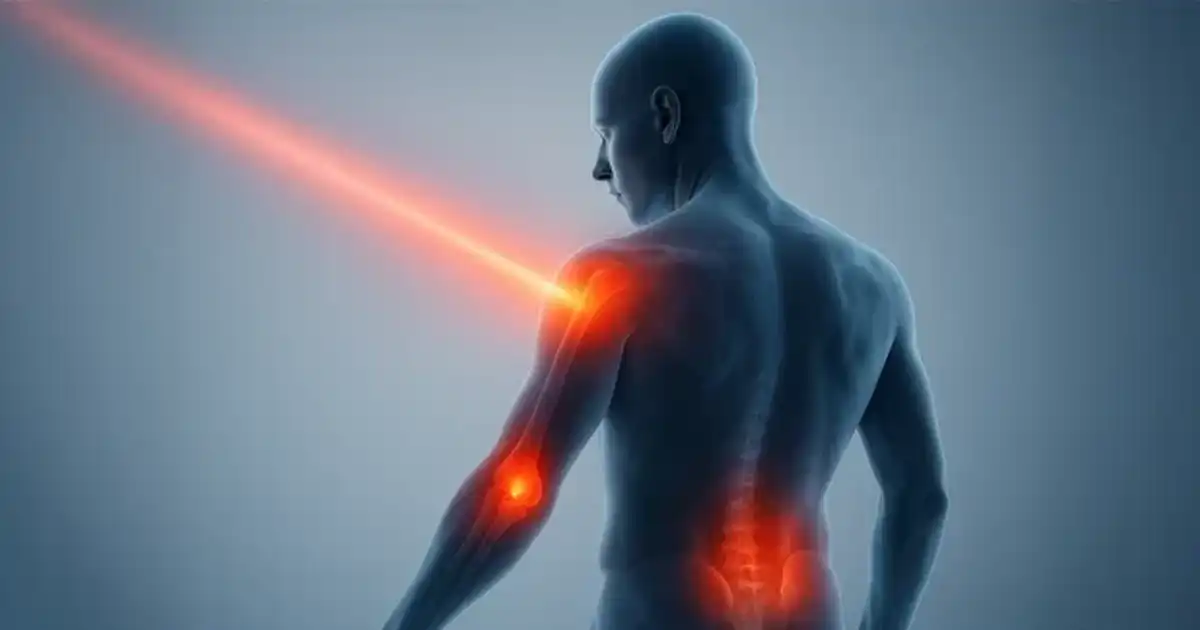
Photobiomodulation and immunity: boosting the body's natural defenses with light

Photobiomodulation (PBM) doesn’t just affect pain or the skin; it also has a documented effect on the immune system. By deeply influencing the mitochondria, it supports key immune functions while reducing chronic inflammation.
How does PBM affect the immune system?
Red light (630–670 nm) and near-infrared light (810–850 nm) stimulate mitochondrial respiration. This process:
- Increases ATP production
- Reduces oxidative stress
- Regulates inflammatory cytokines
- Promotes mitophagy
These effects enable immune cells—particularly T cells —to function more effectively.
👉 See also: The Role of Mitochondria
Possible indications related to immunity
✅ Supports the body’s natural defenses
✅ Improves post-infection recovery
✅ Reduces low-grade inflammation (inflammaging)
✅ Reduces chronic oxidative stress
✅ Potential effects on the balance of the gut microbiota (via the enteric nervous system)
In some studies, exposure to red light may even have an impact on the antiviral immune response. Mitochondria.
Devices and areas of application
PBM LED Panels
- Application while lying down for systemic effects
- Examples: LED panel
- They are found in the abdomen (liver, intestines), the chest (thymus), and the spine (bone marrow)
Intranasal devices
- Example: Intranasal applicators
- Directly stimulates microcirculation and immune cells in the nasal capillaries
Practical recommendations
- Have regular sessions lasting 10 to 20 minutes
- Focus on a relaxed position and deep breathing
- Combine light exposure with proper hydration, a diet rich in antioxidants, and restful sleep
👉 Find out more about how photobiomodulation promotes sleep, a cornerstone of immunity.
Frequently Asked Questions
Can photobiomodulation boost the immune system?
Yes. It supports immune cells through the mitochondria and improves the low-grade inflammatory response.
What are the benefits for the immune system?
Less post-infection fatigue, faster recovery, regulation of oxidative stress, and support for T cells.
Which devices are recommended?
LED panels (such as the PBM-600) or intranasal devices (Vielight nm) are commonly used for this purpose.
Scientific sources
- Weinberg SE, Sena LA, Chandel NS (2015). Mitochondria in the regulation of innate and adaptive immunity. Immunity. PubMed · DOI
- Hamblin, M. R. (2017). Mechanisms and applications of the anti-inflammatory effects of photobiomodulation. AIMS Biophys. PubMed · DOI
- de Freitas LF, Hamblin MR (2016). Proposed Mechanisms of Photobiomodulation or Low-Level Light Therapy. IEEE Journal of Selected Topics in Quantum Electronics. PubMed · DOI
See also
Our guides