The Role of Mitochondria in Mood Disorders
The crucial role of mitochondria in mood disorders
According to a recent study published in *Frontiers in Psychiatry*, mitochondria are cellular organelles known to be involved in various biological processes, such as the production of adenosine triphosphate (ATP), the metabolism of reactive oxygen species (ROS), calcium (Ca2+) homeostasis, cell death and survival, as well as synaptic plasticity (Scaini et al., 2021). In the brain, which consumes large amounts of ATP and lacks the ability to store it, mitochondrial activity is crucial for modulating neuronal activity, short- and long-term neuronal plasticity, cellular resilience, and behavioral adaptations, primarily through its effects on long-term potentiation.
Mitochondrial dysfunction and mood disorders
Mitochondrial dysfunction is considered a multifactorial phenomenon because it can have multiple causes and affects numerous neurobiological processes, impairing synaptic function and promoting apoptosis, which may play a role in the potentially progressive long-term course of certain psychiatric disorders (Scaini et al., 2021). Several studies have focused on the presence of impaired energy metabolism in patients with mood disorders, suggesting that mitochondrial dysfunction may play an important role in various aspects of these conditions.
The Role of Mitochondria in Energy Production and Oxidative Stress
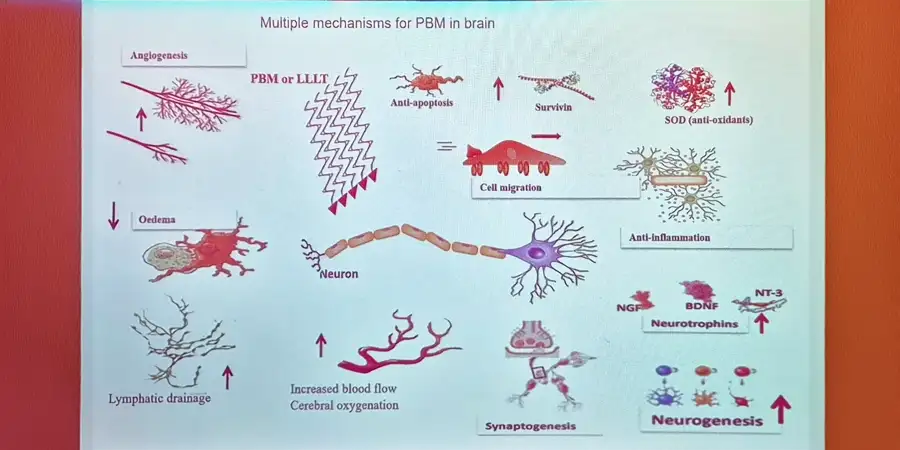
Every cell depends on energy production by mitochondria, with a much higher demand in neurons, particularly in gray matter, which contains a large number of synapses and mitochondria (Scaini et al., 2021). In addition to energy production, mitochondria are sources of substrates for cell growth and play crucial roles in oxidative/nitrosative stress, cellular resilience, and cell death pathways.
Mitochondria and neurogenesis
Mitochondria also play a critical role in neurogenesis, the process by which neural stem cells proliferate and differentiate into new neurons (Scaini et al., 2021). Numerous studies have shown that the mitochondrial genome and mitochondrial proteins are necessary for neuronal differentiation.
Mitochondria are cellular organelles involved in a number of biological processes, playing a key role in maintaining neuronal homeostasis. They are involved in energy production, ROS metabolism, calcium homeostasis, apoptosis, synaptic plasticity, and neurogenesis, modulating neuronal activity and preventing neuronal damage (Scaini et al., 2021). In mood disorders, mitochondrial dysfunction leads to impaired cellular homeostasis, resulting in the dysregulation of these mechanisms.
In short, research on the role of mitochondria in mood disorders is a rapidly expanding field. Current evidence suggests that mitochondrial dysfunction may play a key role in the etiology of these disorders (Scaini et al., 2021).
However, further research is needed to better understand the specific mechanisms by which mitochondria contribute to these disorders and to develop therapeutic strategies that target mitochondria.
Reference: Scaini , G., Rezin, G. T., Carvalho, A. F., Streck, E. L., Berk, M., & Quevedo, J. (2021). Mitochondrial Dysfunction in Mood Disorders: From Pathophysiology to Treatment. Frontiers in Psychiatry, 12, 546801.
See also
Our News
Similar articles, tips, and discoveries