Photobiomodulation for professionals: uses, precautions and regulatory framework

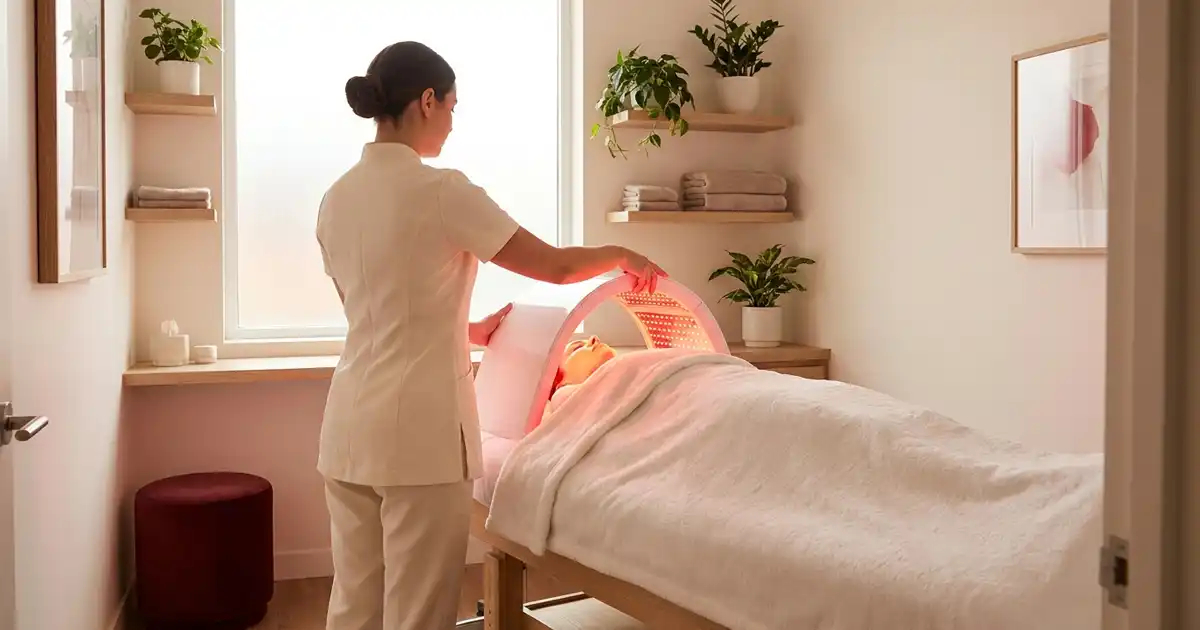
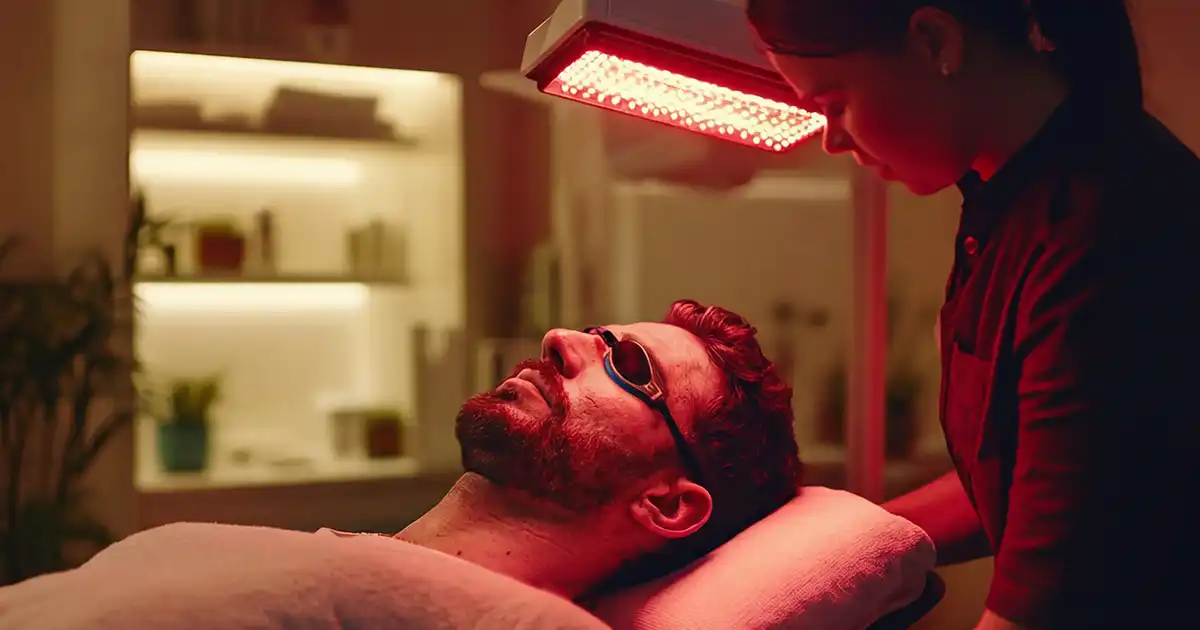
Photobiomodulation (PBM) is attracting more and more professionals: therapists, physical therapists, osteopaths, estheticians, as well as doctors and allied health professionals. It is a non-invasive, well-tolerated method with great potential. However, its use varies depending on the professional’s field. Here’s a closer look at what you need to know.
Why incorporate PBM into your professional practice?
Red and near-infrared light has a deep effect on cells and regenerative processes. When used appropriately, it can support:
- Muscle Recovery
- Chronic Pain Management
- Dermatological and Cosmetic Treatments
- Inflammatory Disorders
- Cognitive Performance and Vitality
Which professionals can use photobiomodulation?
Regulated Health Professions
- Doctors, physical therapists, dentists, nurses
- Photobiomodulation then becomes a medical or paramedical procedure, subject to strict regulatory oversight.
Wellness and Non-Medical Professions
- Estheticians, naturopaths, coaches, wellness centers
- Use is permitted provided it remains within a non-medical context, without any diagnosis or promise of treatment.
Regulations: What the Law Says
In France, the legal framework depends on your status
If you are a healthcare professional
You must comply with the following:
- The Code of Medical Ethics (Articles R.4127-1 et seq. of the Public Health Code); in particular, Article R.4127-13, which states: “When a physician participates in a publicinformation campaign of an educational or health-related nature… he or she shall cite only confirmed data, exercise caution, and be mindful of the impact of his or her statements on the public. ” Légifrance
- The prohibition against practicing medicine as a business (Article R.4127-19: “Medicine must not be practiced as a business.”). Since Decree No. 2020-1662 of December 22, 2020, physicians are permitted to engage in communication under certain conditions (fairness, prudence, and no promotional content). Légifrance
- The duty to provide care “based on scientific evidence” (Article R.4127-32). Légifrance
- Regulation of medical devices: An LED device intended for therapeutic use (treatment of pain or a medical condition) falls under the medical device regulatory framework, governed by the Public Health Code (Art. L.5211-1), Regulation (EU) 2017/745, and oversight bythe ANSM.
📌 A therapeutic purpose places the use of such devices within the scope of medical procedures; in healthcare facilities, this activity is also subject to oversight by the Regional Health Agencies (ARS).
🛑 Using a device that does not comply with regulations for medical purposes may result in disciplinary or civil liability for the practitioner.
If you are a wellness practitioner
You must:
- Avoid any mention of diseases (no diagnosis or promise of a cure)
- Focus on overall well-being, aesthetics, and relaxation
- Promote PBM as a non-medical treatment (e.g., muscle comfort, skin beauty)
📌 In this case, LED devices intended for wellness purposes (non-medical CE) are permitted.
What equipment is needed for professional practice?
Recommended for medical practices:
- Body Boost Bed red light bed: CE Medical Full-Body red light therapy bed
- Milta .0: Mobile PBM Device for Targeted Care
- MiltaGynéco: with Dataflex arm, for professional medical use in gynecology
- Vielight Duo 4: Brain Stimulation, Use Under Protocol
Profitability and Return on Investment
- Sessions subject to a fee (excluding reimbursements) ranging from €30 to €80, depending on the recommendation
- Can be incorporated into physical therapy, beauty treatments, or preventive care programs
- Quick payback in 6 to 12 months, depending on the number of weekly sessions
👉 See also: Which device should you choose?
Frequently Asked Questions
Is it legal for a non-physician professional to do this?
Yes, provided that it remains within the realm of wellness and never claims to have any medical or therapeutic use.
Can PBM be performed in a doctor's office?
Yes, if you are a doctor, physical therapist, midwife, dentist, or registered nurse. It is recommended that you use a CE-certified medical LED device.
Should the device be for medical or wellness purposes?
It depends on the intended use. For therapeutic use, the device must be a medical device. For wellness purposes, a standard CE-marked device may be sufficient.
Sources and Regulatory Framework
- Public Health Code, Article R.4127-13 (Code of Medical Ethics) — educational or scientific information provided to the public: physicians “shall report only confirmed data” and “shall exercise caution.” Légifrance
- Public Health Code, Article L.5211-1 — Legal Framework for Medical Devices (Placing on the Market, Putting into Service, and Making Available). Légifrance
- Regulation (EU) 2017/745 on Medical Devices (MDR), in effect since 2021. EUR-Lex
See also
- Photobiomodulation: contraindications and precautions
- Photobiomodulation: possible side effects
- At-home photobiomodulation: precautions to take
- Regulations governing photobiomodulation in France
- Who performs photobiomodulation? Professionals and centers
- Standards and safety of photobiomodulation devices
- Photobiomodulation in aesthetics: equipping your spa
Our guides