How PBM Works
Published on
October 5, 2025
Cytochrome c oxidase in photobiomodulation
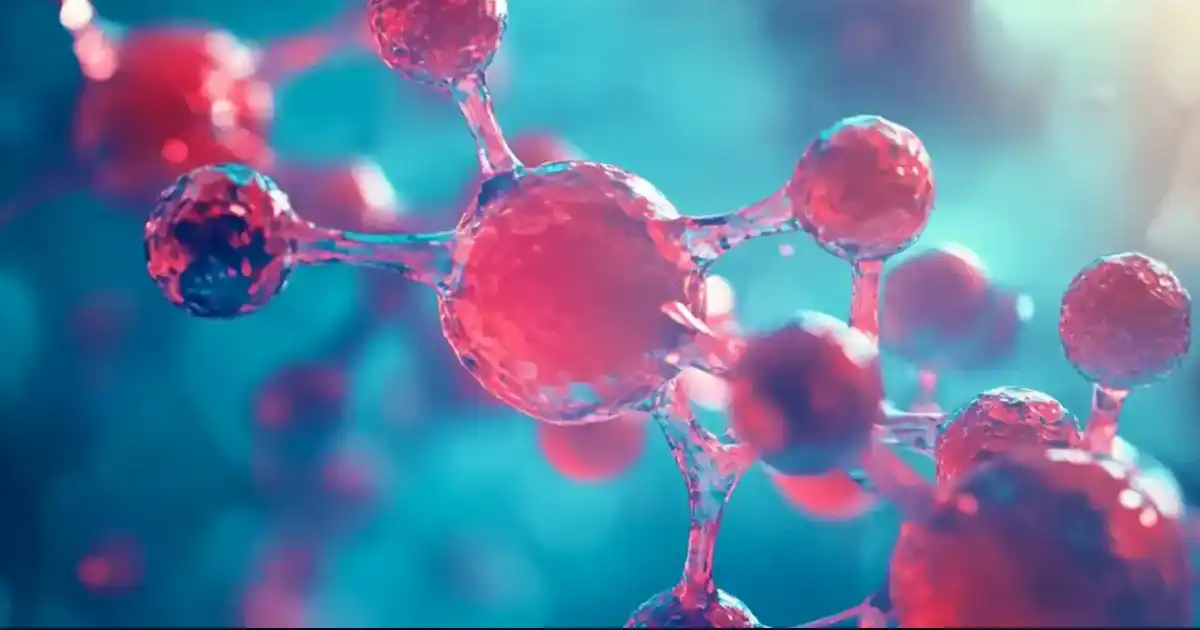
In short: Cytochrome c oxidase (CCO), a mitochondrial enzyme, is the primary photoreceptor in photobiomodulation: it absorbs red and near-infrared photons (600 to 1100 nm) and triggers an increase in ATP production, sometimes by up to 40% after a single session. This cascade reduces inflammation and oxidative stress, accelerates healing, and supports neuroprotection. The effect is optimal at intensities between 10 and 50 mW/cm², with 3 to 5 sessions per week.
A Simple Explanation: An Enzyme That Reacts to Light
The Key Role of Cytochrome C Oxidase
Photobiomodulation works through a special molecule: cytochrome c oxidase (CCO). It is a mitochondrial enzyme that:
- Responds to red and near-infrared light (wavelengths 600–1100 nm)
- Absorbs photons and triggers a chain reaction
- Increases ATP production (cellular energy)
- Provides cells with more energy to repair themselves
The cellular cascade
Here's how it works:
- Photons arrive at the mitochondrion
- CCO absorbs the energy of the red/infrared photon
- ATP production increases (up to +40% after 1 session)
- Free radicals are reduced (less inflammation)
- More energetic cells = better performance
Biological Consequences
Reduction of inflammation
- Fewer inflammatory molecules (TNF-, IL-6)
- Oxidative stress < ROS decreases
- The fabric is less flammable
Accelerated healing
- More active fibroblasts (collagen production)
- Creating New Ships
- Faster Tissue Repair
Neuroprotection
- Increased neurogenesis (the formation of new neurons)
- Protection against oxidation
- Cognitive and Mental Enhancement
Significant wavelengths
- Red (600–700 nm): highly effective, medium penetration (5–10 mm)
- Near-infrared (700–1100 nm): penetrates deeper (1–3 cm), excellent for joints
- Infrared (>1100 nm): rarely used (absorption by water)
Power and Duration
For best results:
- Power: between 10 and 50 mW/cm²
- Duration: 10–30 minutes, depending on the device
- Distance: direct contact or 5–10 cm, depending on the type
- Frequency: 3–5 times a week for a cumulative effect
Conditions for Maximizing the Effects
- No photoblockers (no cream or makeup on the area)
- Clean, dry skin for optimal absorption
- Thermal stability (the skin must not overheat)
- Consistency: Cells "forget" previous stimuli after 3–4 days
See also
- Cellular Mechanisms of Photobiomodulation
- ATP and Photobiomodulation: The Cellular Engine
- PBM and Inflammation: Understanding the Mechanism
- Mitochondria: the powerhouses of our cells
- Photobiomodulation and NO: the role of nitric oxide
- Photobiomodulation and ROS production
Scientific sources
- Hamblin (2018). Mechanisms and Mitochondrial Redox Signaling in Photobiomodulation. Photochem Photobiol. Read on PubMed
- Hamblin (2017). Mechanisms and Applications of the Anti-Inflammatory Effects of Photobiomodulation. AIMS Biophys. Read on PubMed
Our guides