Transcranial Photobiomodulation and Improvements in Sleep, Wakefulness, and Cognitive Function: A Systematic Review
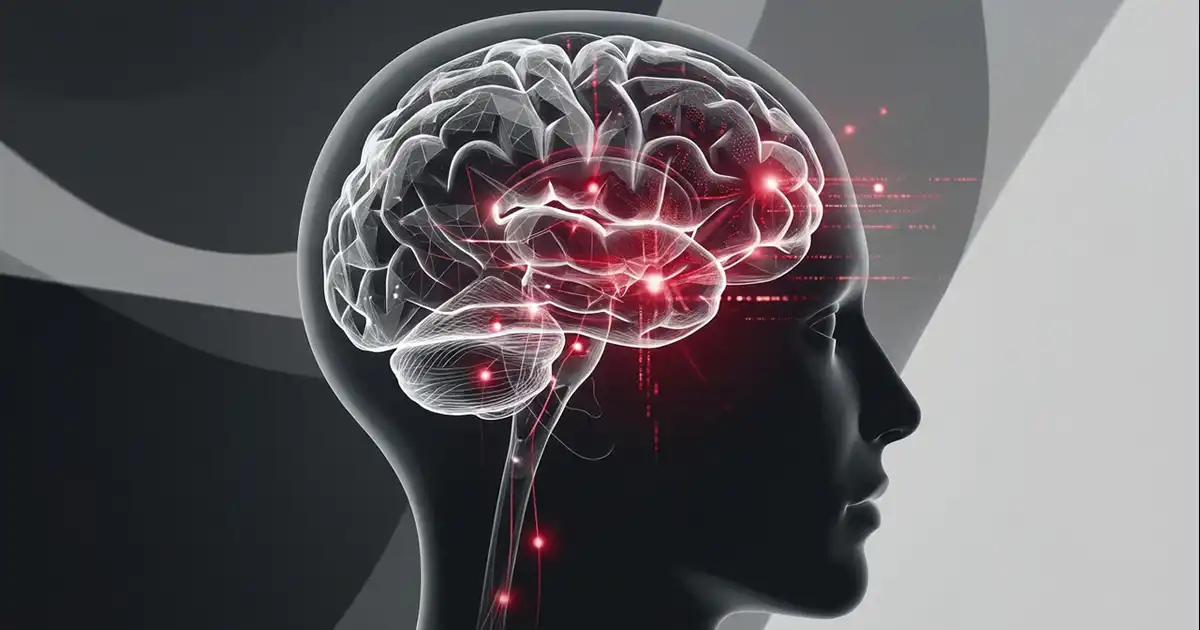
This systematic review provides an overview of transcranial photobiomodulation as it applies to sleep, wakefulness, and cognition in both clinical populations and healthy subjects. The authors describe the potential for improvement but do not report any aggregated quantitative results in their abstract.
What this study measured
The authors reviewed the literature on transcranial photobiomodulation—that is, the application of red or near-infrared light to the skull—and its reported effects on three dimensions: sleep quality, wakefulness, and associated cognitive functions.
The scope of this review encompasses both clinical populations—particularly those with neurological and psychiatric conditions—and healthy individuals. The review also examines the purported effect of transcranial photobiomodulation on the cerebral glymphatic system and cerebral blood flow, and suggests avenues for targeted research in the future.
Key Findings
The information presented in the summary is descriptive. No quantitative analysis is provided.
- The abstract does not specify either the number of studies included or the total number of participants.
- No effect sizes, percentages, or confidence intervals are reported.
- The authors describe the potential for improvements in sleep, wakefulness, and cognition, without quantifying it.
- Two physiological effects are cited as possible explanations: increased mitochondrial activity in the brain and increased cerebral blood flow.
- The glymphatic system, which removes metabolic waste from the brain, is one of the targets being studied.
- Sleep disorders are reported to be common among neurological and psychiatric populations, which is the basis for this research question.
How photobiomodulation works for this indication
The proposed mechanism remains hypothetical. Near-infrared light is thought to partially penetrate cranial tissue and be absorbed by cytochrome c oxidase, the terminal enzyme of the mitochondrial respiratory chain, thereby increasing ATP production in the exposed neurons. The authors also mention an increase in cerebral perfusion and a possible effect on glymphatic clearance, which itself is dependent on sleep. Modulation of oxidative stress and neuroinflammation is also discussed in this context. None of these mechanisms has been demonstrated in humans by this review.
Limits You Should Know
The main limitation relates to the format: the review is qualitative, with no meta-analysis or pooled effect estimate. The summary does not specify the number of studies included, the method used to assess risk of bias, or details of the study protocols. A reader therefore cannot determine how many trials actually support the claims, nor what their quality is.
The lack of quantified results is in itself an important point to note: it precludes any conclusion regarding a measurable benefit for sleep or cognition. Furthermore, the diversity of the study populations—both clinical and healthy—makes comparisons difficult. Finally, the lighting parameters used vary significantly from one study to another, which remains a recurring weakness in this field.
What This Means in Practice
This review is primarily intended to provide a framework for future research. It does not provide a usable protocol, nor does it specify a validated dose or duration of exposure to improve sleep or attention. Anyone experiencing insomnia or persistent daytime sleepiness should have the cause investigated, as many sleep disorders require specific, evidence-based treatment. Transcranial photobiomodulation is currently in the early stages of development, still at the level of a working hypothesis.
Frequently Asked Questions
Does transcranial photobiomodulation improve sleep?
This systematic review describes potential improvements in sleep and wakefulness, but its abstract does not report any numerical results. It is therefore not possible to determine the magnitude of the effect. The question remains open.
How is it different from traditional light therapy?
Light therapy uses high-intensity white or bluish light directed at the eyes to influence the circadian rhythm. Transcranial photobiomodulation applies red or near-infrared light to the skull and targets a local cellular effect, particularly at the mitochondrial level. The mechanisms and protocols are not comparable.
What is the glymphatic system, and why is it mentioned here?
The glymphatic system is a network that circulates cerebrospinal fluid and helps remove metabolic waste from the brain; it is particularly active during sleep. The authors include it in the scope of their review as a potential target for transcranial photobiomodulation. This link remains hypothetical.
Reference
Gaggi NL, Parincu Z, Peterson A, O’Brien C, Kam K, et al. Enhancing sleep, wakefulness, and cognition with transcranial photobiomodulation: a systematic review. Frontiers in Behavioral Neuroscience, 2025;19:1542462. PMID 40822571. DOI 10.3389/fnbeh.2025.1542462. https://pubmed.ncbi.nlm.nih.gov/40822571/
This summary is provided for informational purposes only and does not constitute medical advice. Photobiomodulation is not a substitute for prescribed treatment. Consult a healthcare professional.