Santamarina L. et al. - The Effect of Photobiomodulation on Symptoms and Function in Chemotherapy-Induced Peripheral Neuropathy
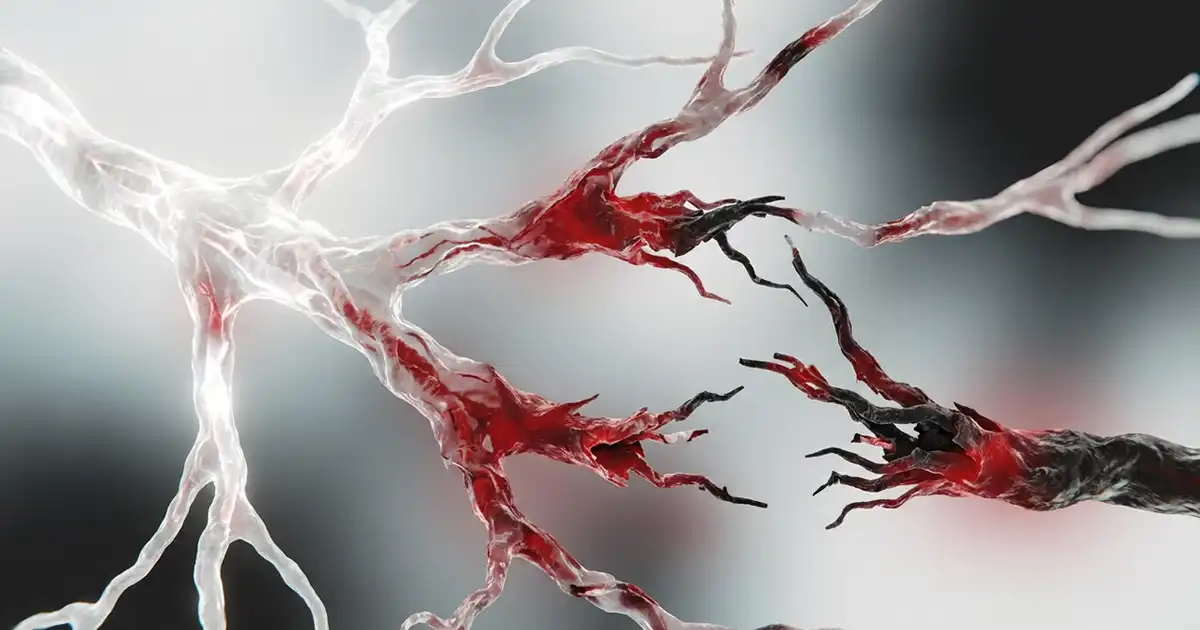
In a prospective clinical study conducted among 47 patients with chemotherapy-induced peripheral neuropathy, photobiomodulation applied to the nerve pathways of the lower extremities was associated with improvements in sensory symptoms, balance, and walking speed. The study did not include a control group, and the functional scale used did not show any significant change.
What this study measured
Chemotherapy-induced peripheral neuropathy is characterized by tingling, numbness, and pain in the extremities, which can affect walking. The authors conducted a prospective clinical study involving 47 patients with this condition affecting the lower extremities.
The protocol called for photobiomodulation sessions at 630 and 850 nm along the nerve pathway, twice a week for two weeks, with measurements taken at the beginning and end. Symptoms were assessed using the DN-4 questionnaire and the FANPIQ tool; function was assessed using the Lower Extremity Functional Scale (LEFS); balance was assessed on a force platform (first on a rigid surface, then on a deformable surface); and walking speed was assessed using the 10-meter test. Photobiomodulation is used here as supportive care, never as a treatment for cancer.
Key Findings
There is a significant improvement in most sensory and postural measures, but not on the functional scale.
- Symptômes neuropathiques au DN-4 : p < 0,0001
- Symptoms assessed by FANPIQ: p = 0.0031
- Lower Limb Function (LEFS): not significant, p = 0.2379
- Surface rigide, amplitude des déplacements antéropostérieur et médiolatéral : p = 0,0001 et p < 0,0001
- Rigid surface, velocity of these same displacements: p = 0.0431 and p = 0.0016; area of displacement: p = 0.0001
- Deformable surface, amplitude of anteroposterior and mediolateral displacements: p = 0.0314 and p = 0.0008
- Deformable surface, mediolateral displacement velocity: p = 0.0091; displacement area: p = 0.0029
- Walking speed in the 10-meter test: p = 0.0315
No mean, confidence interval, or effect size is reported.
How Photobiomodulation Affects the Peripheral Nerves
The proposed mechanisms remain hypothetical. Red and near-infrared light is thought to be absorbed by mitochondrial cytochrome c oxidase, which would promote ATP production. A reduction in oxidative stress and modulation of inflammatory pathways have also been suggested, along with the hypothesis that these conditions may be more conducive to axonal regeneration. None of these mechanisms were measured in this study.
Limits You Should Know
The main limitation is of an experimental nature: this was a single-arm study with no control group and no blinding. The placebo effect, the spontaneous resolution of symptoms following chemotherapy, and the learning effect from the balance tests cannot be distinguished from the treatment’s intrinsic effect. The level of evidence remains far below that of a randomized trial.
The result was negative: lower-limb function, as measured by the LEFS, did not improve (p = 0.2379). The improvement in reported symptoms therefore did not translate into a score increase on this scale. The sample size was small, follow-up ended after two weeks, and neither the study’s statistical power nor the dose was specified.
What This Means in Practice
These data do not support a claim of efficacy; rather, they suggest an avenue to be evaluated in controlled trials. Photobiomodulation is not a cancer treatment and does not replace any prescribed medical care. For individuals being treated for cancer, any use of this therapy must be discussed with their healthcare team, as the application of light to a known tumor site remains an open question.
Frequently Asked Questions
Does photobiomodulation relieve chemotherapy-induced neuropathy?
In this study, the sensory symptoms reported by patients improved significantly on two questionnaires. The absence of a control group makes it impossible to attribute this improvement to light rather than the passage of time. The answer remains uncertain and requires randomized trials.
How many sessions were included in the protocol for this study?
Two sessions per week for two weeks, for a total of four sessions, targeting the nerve pathways of the lower limbs. The summary does not specify the duration of each session or the energy delivered.
Does photobiomodulation improve balance and walking?
Measurements taken on a force platform show a significant reduction in postural oscillations, and walking speed has improved (p = 0.0315). However, the LEFS functional scale did not change significantly. These results are preliminary and require confirmation.
Reference
Santamarina L, de Souza MO, Sassaron LA, Dos Santos Ezequiel T, Carvalho RL, Vilas Boas VF, de Rezende LF. Influence of photobiomodulation on sensory symptoms, balance, and gait speed in chemotherapy-induced peripheral neuropathy. Supportive Care in Cancer, 2025. PMID 40186772. View the study on PubMed
This summary is provided for informational purposes only and does not constitute medical advice. Photobiomodulation is not a substitute for prescribed treatment. Consult a healthcare professional.