Reppe S. et al. - Photobiomodulation and Dry Eye: A Systematic Review and Meta-Analysis
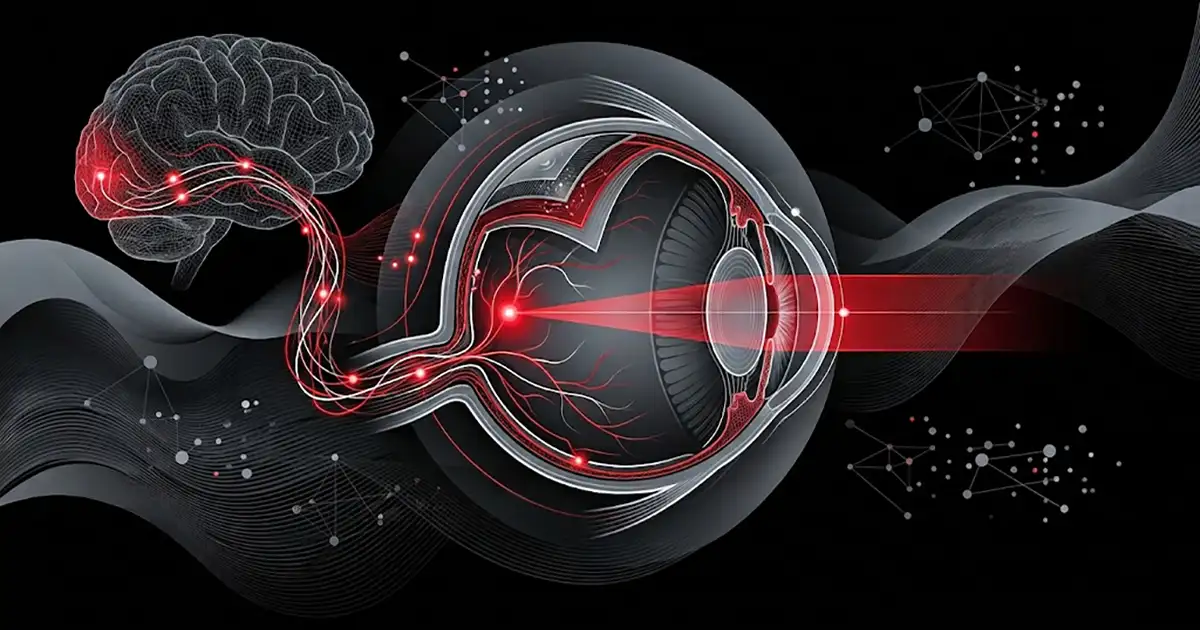
This meta-analysis of 10 studies (473 participants) associates photobiomodulation used alone with an improvement in ocular discomfort and tear film stability in dry eye. The effect on tear meniscus height is not confirmed when limited to randomized trials, and the authors refer to a possible improvement, not a proven outcome.
What this study measured
Dry eye is a condition affecting the surface of the eye that depends on the coordination of the lacrimal glands, the Meibomian glands, and the goblet cells of the conjunctiva. Dysfunction in any one of these components is sufficient to cause the condition. Photobiomodulation (PBM), referred to here as low-level light therapy (LLLT), is being studied as a treatment option for this condition.
Sjur Reppe and his colleagues conducted a systematic review and meta-analysis to evaluate the effect of photobiomodulation used alone, without combination with intense pulsed light (IPL). Four databases were searched: MEDLINE, Embase, Scopus, and the Cochrane Register of Controlled Trials. Ten clinical studies, involving a total of 473 participants, were included. The sessions used wavelengths ranging from 625 to 640 nm and/or from 810 to 850 nm, each lasting at least 10 minutes.
Key Findings
Three criteria were included in the meta-analysis: the OSDI (Ocular Surface Disease Index) symptom score, non-invasive tear film break-up time (NIBUT), and tear meniscus height (TMH).
- OSDI: weighted mean difference of -11.42 (p < 0.00001), which corresponds to fewer symptoms
- NIBUT: +1.49 s (p = 0.005), indicating a more stable tear film
- TMH: +0.04 mm (p = 0.007)
- Sensitivity analysis limited to randomized trials: confirmed effects on OSDI and NIBUT, but not on TMH
- Side effects: None reported
How photobiomodulation works for this indication
The meta-analysis abstract does not detail any specific mechanism. Generally speaking, it has been proposed that red or near-infrared light, when absorbed by the mitochondria of cells, may modulate inflammation and the function of the glands in the eyelid that produce the lipid layer of tears. This explanation remains a hypothesis that the meta-analysis does not test.
Limits You Should Know
The results should be interpreted with caution. Only ten studies could be included in the meta-analysis, and the total number of participants remains modest, at 473. The effect on the height of the lacrimal meniscus disappears when the analysis is restricted to randomized trials, which means that this outcome measure is less robust than the other two.
Protocols vary: two wavelength ranges, sessions lasting at least 10 minutes with no uniform duration. The abstract does not specify either long-term follow-up or the level of certainty of the data according to a GRADE-type framework. The absence of reported adverse effects is encouraging, but it depends on how each study monitored safety.
What This Means in Practice
For people who suffer from dry eye, this meta-analysis suggests that photobiomodulation alone may reduce the discomfort they experience. The authors note that this approach could be a standalone option for patients for whom protocols involving intense pulsed light are contraindicated.
It is not a substitute for an eye exam or prescribed treatments. Any persistent eye discomfort warrants consultation with an ophthalmologist, and no one should stop a current course of treatment without the ophthalmologist’s approval.
Frequently Asked Questions
Does photobiomodulation relieve dry eye?
In this meta-analysis, it is associated with an average decrease of 11.42 points in the OSDI score and a tear film break-up time that is 1.49 seconds longer. The authors write that it may improve signs and symptoms, particularly ocular discomfort.
Is ocular photobiomodulation safe?
No adverse effects were reported in the included studies, and the authors describe it as well tolerated. This finding is based on only ten studies, with a follow-up period that the abstract does not specify.
Are the results confirmed in randomized trials alone?
Partially. The effects on OSDI and NIBUT are confirmed in the sensitivity analysis limited to randomized trials, but not the effect on the height of the lacrimal meniscus.
Reference
Reppe S, Subhi Y, Steinkjer T, Yazdani M, Kolko M, Utheim TP, Fineide FA. Low-level light therapy for dry eye disease and meibomian gland dysfunction: A systematic review and meta-analysis. Acta Ophthalmologica, 2026. PMID 42860563. View the study on PubMed
This summary is provided for informational purposes only and does not constitute medical advice. Photobiomodulation is not a substitute for prescribed treatment. Consult a healthcare professional.