Zhai H. et al. - Photobiomodulation, Muscle Strength, and Endurance: A Systematic Review and Meta-Analysis
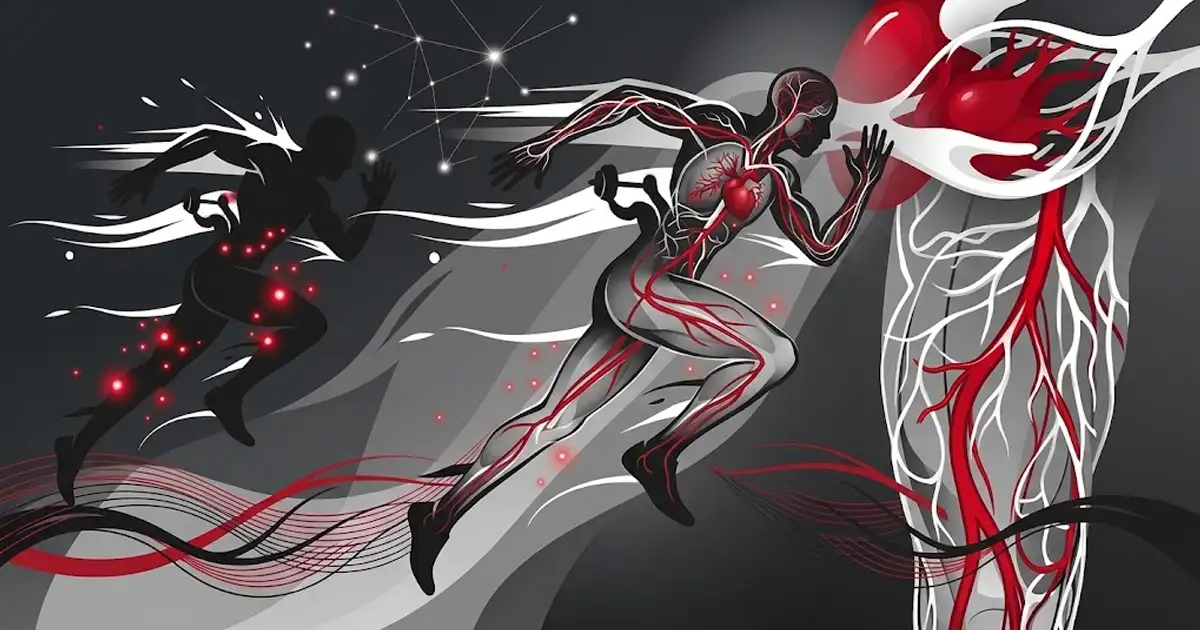
In this meta-analysis of 23 randomized trials involving healthy humans, photobiomodulation is associated with small effects on muscular endurance and strength. The subgroup analyses are mostly nonsignificant, and the authors consider the evidence insufficient to define an optimal protocol.
What this study measured
This systematic review aims to determine whether photobiomodulation improves muscle strength and endurance, and whether the effect varies depending on participant characteristics and application parameters. Six databases were searched, covering the period from their inception through November 2025.
Only randomized controlled trials conducted in healthy humans that compared photobiomodulation to a placebo and included quantitative measurements were included. Methodological quality was assessed using the Cochrane Risk of Bias 2 tool. A total of 23 trials were pooled using a random-effects model. The abstract does not mention the number of participants or a PROSPERO registration.
Key Findings
The authors report small effects on both outcomes, with most subgroups showing non-significant results.
- Muscular endurance: small effect, p = 0.02.
- Muscle strength: small effect, p = 0.04.
- Endurance in athletes: p = 0.05, but not in physically active individuals (p = 0.07).
- Endurance, favorable parameters: no more than 100 mW per diode (p = 0.03), 31 to 100 J (p = 0.05), a 1- to 3-minute interval before exercise (p = 0.03), no more than 4 application sites (p = 0.007).
- Force, favorable parameters: 151 to 300 J (p = 0.05) and duration greater than 3 minutes (p = 0.007).
The abstract does not provide the magnitude of the effects or the confidence intervals.
How photobiomodulation works for this indication
This mechanism has not been tested in this review and remains a hypothesis. Red and near-infrared light is thought to be absorbed by cytochrome c oxidase, a complex in the mitochondrial respiratory chain, which could increase ATP availability in the muscle. A modulation of exercise-induced oxidative stress and inflammation is also suggested, which would tend to support fatigue resistance.
Limits You Should Know
The effects are small, and several results are near the threshold of statistical significance, with p-values of 0.04 or 0.05. The differences between subgroups are, for the most part, not significant: the effect observed in athletes but not in physically active individuals should be interpreted with caution, since p = 0.05 on one side and p = 0.07 on the other.
The authors themselves note that the results by parameter are exploratory and that the current evidence is insufficient to define optimal protocols. The trials involved healthy individuals: these data do not allow for any conclusions regarding a population of patients or those undergoing rehabilitation. The abstract also does not specify the wavelength or the results of the risk of bias assessment.
What This Means in Practice
For athletes or active individuals, this review suggests a possible but modest benefit, particularly for muscular endurance. It does not specify the optimal dose, timing of administration, or number of application sites: the trends observed for these parameters are intended to guide future trials, not to establish a protocol.
Photobiomodulation is not a substitute for progressive training or recovery. Any decision regarding its use should be made by the professional working with the individual.
Frequently Asked Questions
Does photobiomodulation improve muscle strength?
In this meta-analysis of 23 trials, the authors report a small effect on strength (p = 0.04). This modest result remains close to the significance threshold.
Should it be applied before or after exercise?
This review compares only pre-exercise applications. For endurance, an interval of 1 to 3 minutes before exercise is associated with a favorable outcome (p = 0.03), and for strength, an interval of more than 3 minutes (p = 0.007). These subgroup results are exploratory and do not constitute a recommendation.
Do athletes and active people react the same way?
Not clearly. An improvement in endurance was reported among athletes (p = 0.05) but not among physically active individuals (p = 0.07).
Reference
Zhai H, Wang T, Yan H, Xu N, Zhai H, Wei H. Effects of Photobiomodulation Therapy on Muscle Strength and Muscle Endurance: A Systematic Review and Meta-Analysis. Journal of Integrative and Complementary Medicine, 2026. PMID 42757739. View the study on PubMed
This summary is provided for informational purposes only and does not constitute medical advice. Photobiomodulation is not a substitute for prescribed treatment. Consult a healthcare professional.